01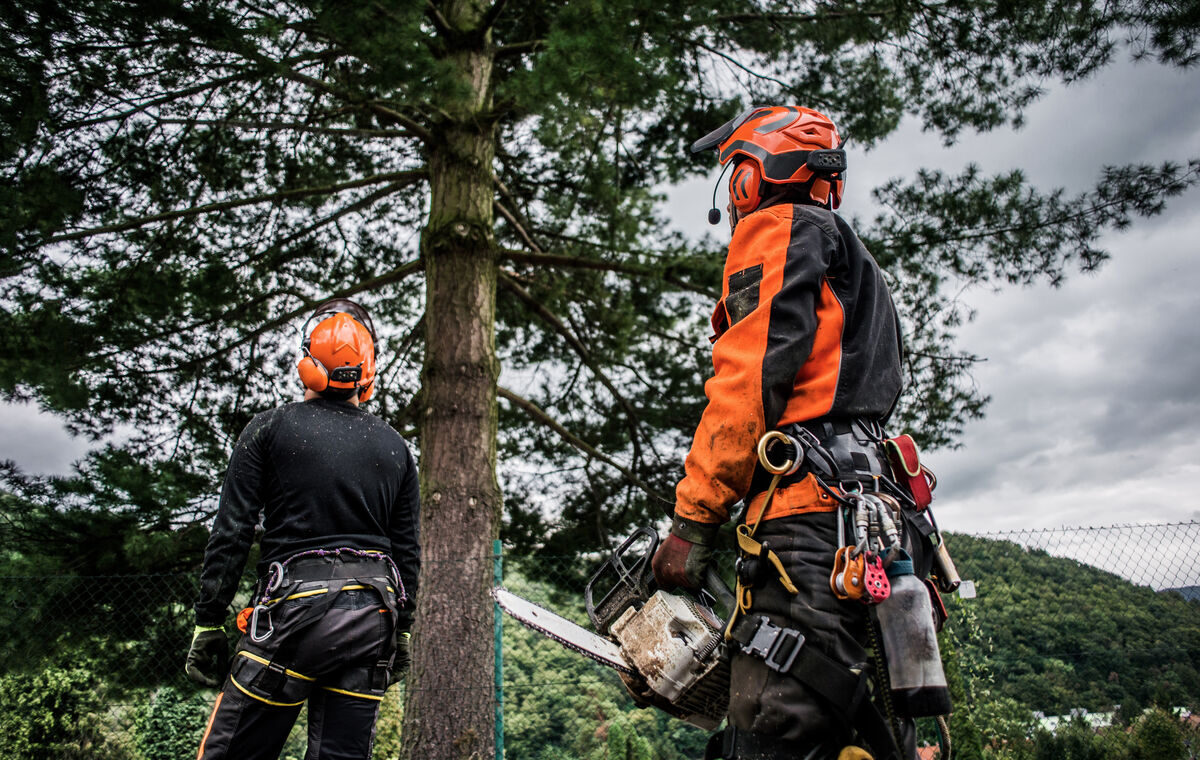
Tree Felling & Removal
Dead, diseased, storm-damaged or simply too big, we take trees down safely in Somerset West, in controlled sections when they’re near a house, wall or power line. Cleanup always included.
See tree felling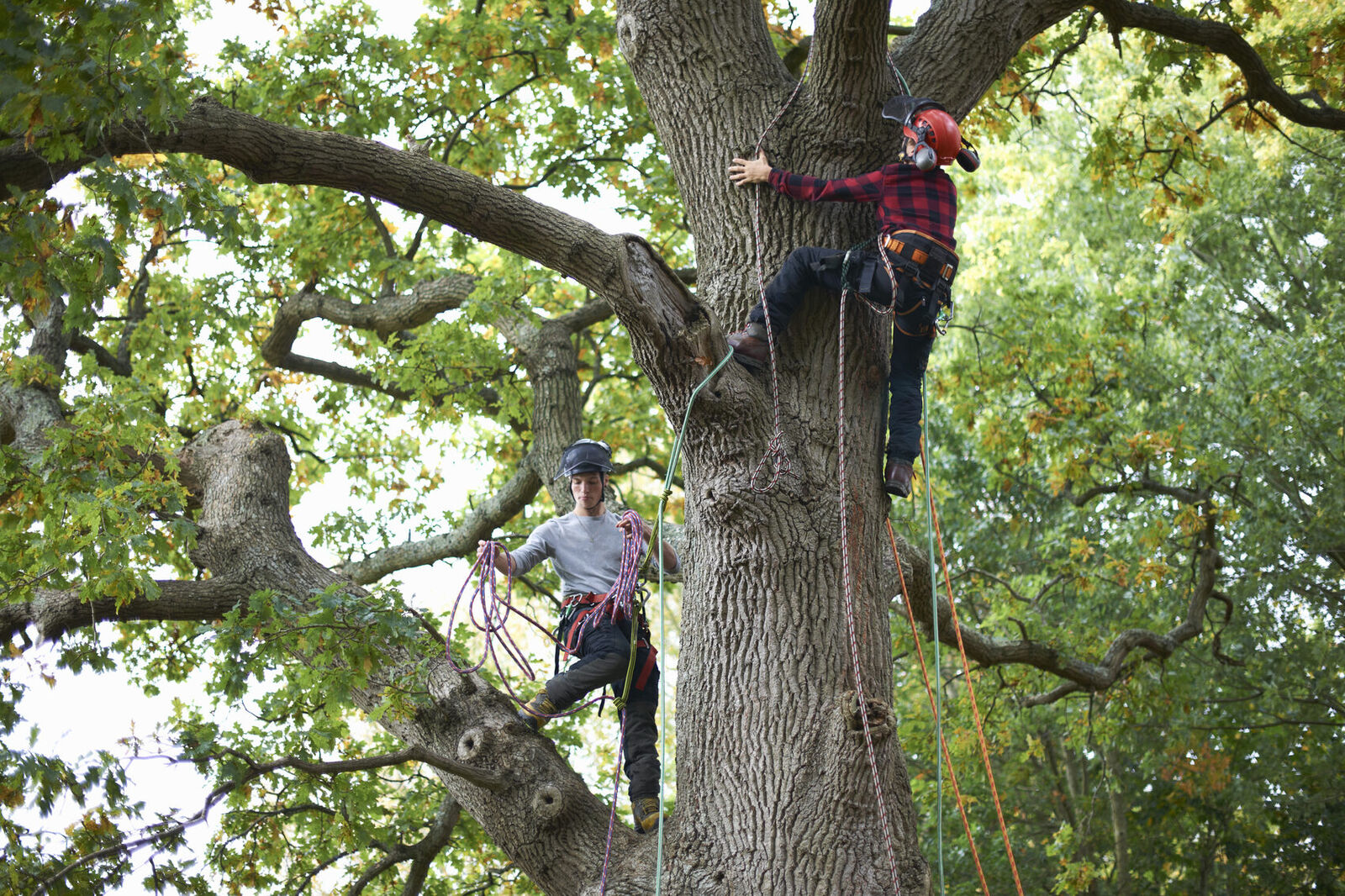
Local arborists in Somerset West
Tree felling in Somerset West, Helderberg oaks, pines & fire-season risks managed safely. Serving Strand & surrounds.
What we do
From a single removal to a full clearing, we think the work through, turn up with the right gear for the spot, and tidy up before we go.
Dead, diseased, storm-damaged or simply too big, we take trees down safely in Somerset West, in controlled sections when they’re near a house, wall or power line. Cleanup always included.
See tree felling
We grind stumps 150-300 mm below ground so you reclaim level, usable space in your Somerset West garden, ready for lawn, paving, decking or replanting.
Get a stump quote
Crown thinning, lifting, reduction and deadwooding that keeps trees healthy, safe and in good shape, and well clear of roofs, gutters and power lines.
Book tree trimming
A tree on the roof or across the drive? Our 24/7 crew makes Somerset West properties safe fast, then clears the debris and tidies the site.
Call our 24/7 lineLocal tree felling guide
Somerset West occupies one of the prettier pockets in the Western Cape: the Helderberg mountain behind it, False Bay out front, winelands on either side. It’s the kind of setting that makes people plant trees without much restraint, and why wouldn’t you, with that backdrop? The result, a few decades on, is a suburb full of magnificent old specimens that have grown well beyond their original intentions.
Tree felling in Somerset West requires thinking about two things simultaneously: the scale of the trees (Helderberg oaks and old vineyard pines are not small) and the fire risk that comes with the dry Cape summer. This is not abstract. The mountains around the Helderberg have burned multiple times in living memory. Dead timber, dry leaf litter and poorly managed trees close to structures are all contributors. Managing your trees properly here is aesthetic, structural and, in summer, a genuine safety consideration.
Tree Hugger Collective works across Somerset West, Strand, Gordon’s Bay, Lourensford and surrounding areas. We’ve got the team, the equipment and the local knowledge to handle what the Helderberg throws at us, call 0860 017 435 or reach us on WhatsApp for a free on-site quote.
English oaks are everywhere on older Somerset West properties. Planted by early settlers who wanted familiar shade, they’ve had a century in some cases to develop into genuinely impressive specimens. An established Helderberg oak is something to admire, until its root system has spent thirty years interrogating your foundations or the canopy has grown so large it’s shading out half the garden and depositing two tonnes of leaves on the lawn every autumn.
When an oak needs to come out, it’s a significant undertaking. These trees are heavy, dense-grained and slow-burning, the wood is not something you rush. Sectional dismantling from the top down, with rigging to control each section, is standard. On properties with confined access or neighbouring structures too close for comfortable drop zones, we can bring in crane assistance on the larger specimens. Stump grinding after oak removal is essential, left untreated, oak stumps reshoot vigorously and persistently.
Pines are the other constant. Both stone pines and cluster pines feature across the winelands edge and in older Somerset West residential gardens. They’re beautiful when healthy and managed, but pine trees under stress, drought, root damage, or attack by pine-bark beetles, die quickly and pose a fire risk even faster. Dead standing pine with accumulated needle litter underneath is one of the more serious fire hazards on a Western Cape residential property.
Oaks and pines both come up on permit checks, while neither is universally protected, some larger heritage specimens on older properties have been flagged for protection. We check before we cut, every time.
Somerset West sits in the interface zone between suburb and mountain, and the Helderberg fire risk is real. The Cape’s hot, dry summers, the Mediterranean climate at its most unforgiving, dry out vegetation from January through to the first autumn rains. In that window, a fire starting on the mountain or in the fynbos can move through the interface zone fast.
Dead or dying trees close to your home are a meaningful risk factor in this environment. A standing dead pine, a hollow old gum with dry bark accumulating at its base, a large pile of unmulched pruning debris, these aren’t just untidy, they’re fuel. We see the urgency shift in Somerset West during October every year as summer sets in and the fire season begins to feel real.
If you’ve been putting off removing a dead or declining tree near your house, fire season is the argument for doing it now. Emergency removal during a fire event is neither safe nor practical. The time to act is before the Cape Doctor is blowing at 40 km/h and the mountain is dry.
The properties around Lourensford and the winelands edge of Somerset West often have trees that sit in the grey zone between amenity and agricultural. Old vineyard windbreaks of blue gum and poplar, tree lines along access roads, and specimen trees planted to frame farmhouse stoeps, these are all within our scope.
Vineyard-edge blue gums in particular need careful management. The ones that were planted as young windbreaks forty years ago are now enormous. They do their job well when healthy, but dead branches in a gum canopy, “widow makers”, are a genuine hazard, particularly in the summer wind period. We assess canopy health, remove dead wood, and advise on whether the tree is worth maintaining or whether removal and replacement makes more sense.
For properties with multiple trees across a larger footprint, we’ll do a comprehensive assessment on the quote visit, mapping what’s there, categorising health and risk, and working through what needs what kind of attention. Some trees want pruning, some want removal, some just want to be left alone with annual monitoring.
The coastal side of the Helderberg basin, Strand, Gordon’s Bay, brings the same salty, wind-exposed conditions as the Atlantic seaboard, just coming off False Bay instead. The south-easter hits here with specific force, channelled by the mountain behind.
Coastal property trees in Strand and Gordon’s Bay face the same combination of salt spray damage, persistent directional wind stress and shallow sandy soils as the West Coast suburbs. Port Jackson and rooikrans invasion is also a feature along the coastal fringe, both are classified invaders and both should be cleared rather than tolerated.
Tree pruning in this wind zone means reducing canopy density to let the south-easter pass through rather than push against. Crown reduction and thinning, done properly, can meaningfully extend the life of a tree that would otherwise be pushed over by a strong gust. We don’t top trees, hard topping creates the weak regrowth that causes exactly the failure mode you’re trying to prevent.
Somerset West properties range from compact suburban stands to large winelands smallholdings, and the work varies accordingly. Here’s what to expect regardless of scale:
The quote is free, on-site, and specific. We walk the site, look at each tree, discuss what you want and what we recommend, and give you a written breakdown. No surprises.
The team arrives with the right equipment for the job, from a hand crew with a chipper on smaller residential work, to full rigging and crane support on larger specimens. We own our equipment; nothing significant is subcontracted.
The cleanup is thorough. All green waste is chipped and removed. Timber can be cut to firewood length if you want it. The site is raked and blown down when we leave. In fire season, we’re particularly focused on removing all dry material, not just the tree.
Stumps can be ground on the same visit or as a standalone return trip. We grind to 150-300 mm below ground level, which is sufficient depth for replanting or turfing.
Why Tree Hugger Collective
Get the crew or the gear wrong and tree work turns into damage fast. For Somerset West homes we bring both, work safely, and leave your property the way we found it, only tidier.
Experienced, careful crews who arrive on time and do the job properly, not just quickly.
Same-day availability and 24/7 emergency callouts when a tree can’t wait.
Every job ends with debris cleared, green waste recycled and the space left ready to enjoy.
How it works
We come out, look at the tree, the access and any risks, and listen to what you need, free of charge.
A transparent, itemised price with the scope and timeline spelled out. No pressure, no hidden extras.
Our crew arrives on time with the right gear and works to strict safety standards.
We clear all debris, recycle the green waste, and leave your property neat and ready to use.
Reviews
The old pine at the bottom of our garden had been there since we bought the place fifteen years ago. Beautiful tree, but it was dying, you could see the bare patches in the crown and the bark was starting to slip. With the fire season coming we decided we couldn't leave it any longer. Tree Hugger came out, confirmed it was a dead tree, took it down in sections, the access was tight with our new garage, and ground the stump out the same day. Exactly what we hoped for.
Good to know
In the interface zone between suburb and mountain, genuinely serious. Dead wood and accumulated leaf litter are primary fire fuels. A large dead pine close to a structure in a Mediterranean summer is a real hazard, not a theoretical one. The practical recommendation is to remove dead or dying trees before October, once the dry season is established and the wind picks up, the risk profile changes considerably. Call us for an assessment if you're unsure whether a tree qualifies as hazardous.
Yes, confined access between structures is one of the most common scenarios we work in across Somerset West. Sectional dismantling, directional felling with ropes and rigging, and on the tightest jobs crane assistance all give us options even in very constrained spaces. The quote will explain the specific method for your site.
Possibly, depending on species and in some cases size. Certain yellowwood species, Cape milkwood, and some significant heritage trees on older properties carry protection under provincial or national legislation. We check species identification and flag any permit requirements before quoting. If a permit is needed we'll guide you through what's involved, it's usually manageable but cannot be ignored.
Gordon's Bay, yes, it's part of our regular Helderberg service area. Grabouw is further out; call us and we'll confirm whether it falls within current range. We try not to leave people without options if we can help it.
Nearby areas we cover
Let us know about the tree and your suburb. One of us will come and assess it for free, then give you a straight written price and a date that suits you.