Tree Pruning & Tree Trimming in Johannesburg & Gauteng
Good pruning keeps trees healthy, structurally sound and well clear of roofs, gutters and power lines, and it costs far less than fixing what a poorly pruned (or never-pruned) tree eventually does.
A well-pruned tree is a healthier, safer, longer-lived tree
There’s a version of tree pruning that’s nothing more than cosmetic tidying, a few snips to make things look neat for summer. And then there’s the real thing: structural work that keeps a tree growing the way it should, removes the parts that put your property at risk, and adds genuine years to a tree’s life. We do the second kind.
On the Highveld, where summer storms roll in fast and mature trees carry real weight, the safety argument is simple. Heavy, overextended limbs are the ones that fail in the wind. Dense, unpruned crowns catch the wind like a sail instead of letting it pass through. Deadwood drops without warning on anything underneath. Regular, thoughtful pruning takes those risks off the table, or at least reduces them significantly, before a gale makes the decision for you.
Beyond safety, correct pruning does several things that most homeowners don’t immediately think about. It improves light into the garden and house. It keeps canopies clear of roofs and gutters, which cuts down on moisture damage and blocked drainage. It guides younger trees into the structure they’ll carry for the rest of their lives, and a tree shaped well in its first decade rarely needs drastic intervention later. It removes crossing and rubbing branches before they create wounds that become entry points for disease. Done right, it’s one of the kindest things you can do for a tree you want to keep for the next thirty years.
We cover the full range of pruning work across Johannesburg and Gauteng: private gardens and estates, commercial properties, schools, office parks and anywhere a tree interacts with a structure or infrastructure overhead. Free on-site quotes, cleanup included, no upselling. If you’ve already made up your mind that a tree needs to come out rather than be pruned, see our tree felling and removal page.
Pruning types
What kind of pruning does your tree need?
Different trees at different stages need different work. Here’s what each type involves and what it’s for.
Crown thinning
Crown Thinning
We selectively remove branches throughout the crown to reduce density without changing the tree’s overall size or shape. Thinning lets light into the garden and house, improves airflow (which reduces fungal pressure and pest habitat), and significantly reduces the ‘sail effect’ that makes a dense canopy vulnerable in Highveld wind storms. It’s the most common pruning job we do and one of the most impactful for long-term tree health.
Crown lifting
Crown Lifting & Raising
Crown lifting removes lower branches to raise the height of the canopy’s base, typically to clear a set height above the ground, a fence, a driveway or a roofline. It’s a practical fix when a tree’s lower limbs are brushing a structure, blocking sight lines, or growing into pedestrian or vehicle clearance. Done gradually over a few pruning cycles (rather than all at once), crown lifting causes minimal stress to the tree.
Crown reduction
Crown Reduction
Crown reduction reduces the overall size of the canopy by shortening branches back to appropriate lateral growth points, not simply chopping them to stumps. It’s used when a tree has outgrown its space or is encroaching on a structure, and it’s the correct alternative to topping (see below). Done properly, a crown reduction retains the tree’s natural shape, leaves it with the resources to recover, and removes 15-25% of the crown at most in a single visit.
Deadwooding
Deadwooding
Dead branches don’t fall on any schedule, they come down when they feel like it, and often take live wood with them. Deadwooding removes dead, dying and diseased wood from throughout the canopy, eliminating the immediate drop risk and the habitat for wood-boring beetles and other pests that can spread to healthy parts of the tree. For mature trees over driveways, pools and outdoor living areas across Johannesburg, deadwooding is often the most urgent and cost-effective pruning job we can recommend.
Formative pruning
Formative & Structural Pruning
Young trees are the best candidates for formative pruning, removing competing leaders, correcting included bark in the union forks, and establishing a single strong central stem where appropriate. The cuts are small, the tree recovers quickly, and you’re essentially designing the architecture the tree will carry for the next fifty years. A tree shaped well at five years old rarely needs serious corrective work at twenty-five. It’s quiet, careful work that pays dividends long after the visit.
Clearance pruning
Clearance from Roofs & Power Lines
One of the most requested jobs we do, keeping branches clear of tiled roofs (where wet, decomposing leaves trap moisture and shorten tiles), gutters (where leaf build-up causes blockages and water ingress) and overhead power lines (where contact creates a persistent fire and electrocution risk). Clearance pruning requires accurate cutting at the right structural point, not just lopping the ends off, and for work near live lines our climbers coordinate with the relevant utility where required.
Topping harms trees and leaves them less safe, not more
Common mistake
Topping is not pruning, and it does real damage
‘Topping’, cutting the main stems of a tree back to large, blunt stubs, is still remarkably common across Johannesburg, usually because someone has confused ‘looking smaller’ with ‘being safer’. It is not safer. It is, in most cases, the most harmful thing you can do to a mature tree.
When you cut a tree back to large stubs, several things happen in quick succession. The tree, suddenly stripped of most of its photosynthesising leaf area, panics and pushes out a mass of fast-growing epicormic shoots from the wound margins. These shoots are attached to the branch only through surface tissue, they’re not structurally bonded the way natural branch growth is, and as they grow quickly to their former size, each one becomes a potential failure point with far less structural integrity than the original branch it replaced. Within a few years the tree is the same size again, but now riddled with weakly attached, heavy growth that is genuinely more likely to fail than what was there before.
The large wounds left by topping also rarely close properly. On certain species they never close at all, leaving the tree chronically exposed to decay and infection. If the tree is old or already compromised, topping often simply kills it slowly, over three to eight years, rather than all at once.
If a tree is too large for its space, or poses a real risk to a structure, the correct options are crown reduction (back to appropriate lateral growth), selective removal of specific limbs, or where necessary, full removal followed by a suitable replacement. We will always give you an honest read on which one makes sense.
Topping
Creates large, unhealing wounds
Triggers weak, fast-growing regrowth
Leaves tree structurally weaker
Often shortens the tree’s life
Proper crown work
Cuts to lateral growth points
Retains the tree’s natural form
Tree heals cleanly and recovers
Adds years to the tree’s life
Timing on the Highveld
When to prune, and when to hold off
Gauteng’s climate is distinct from most of South Africa: hot, wet summers and cool, dry winters mean pruning windows look quite different here than they do in the Cape.
Jan
Feb
Mar
Apr
May
Jun
Jul
Aug
Sep
Oct
Nov
Dec
Ideal pruning window (Apr-Aug)
Possible, but proceed carefully
Avoid if you can (storm season, active growth)
Emergency pruning happens whenever the tree says so. A cracked limb hanging over a driveway can’t wait until May. Deadwood posing an immediate risk should come out regardless of season. The calendar above is for planned, elective pruning, not emergencies. Call our 24/7 line any time a tree needs immediate attention.
How we work
Clean, careful and finished with a tidy site
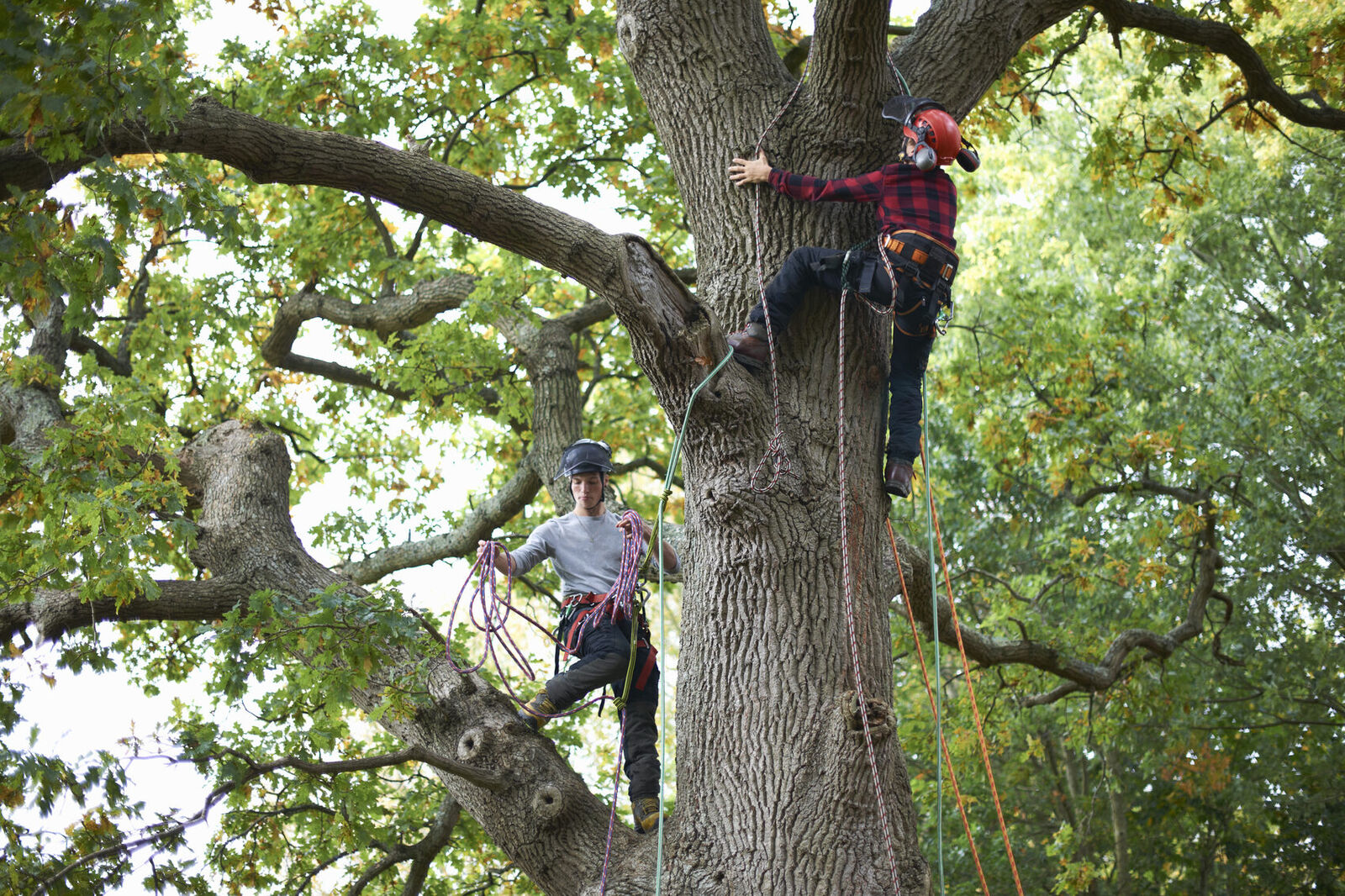
Pruning sounds straightforward until someone’s cut everything the same length and left you with a tree that looks like a hat rack. The difference between useful pruning and harmful pruning is mostly in the decision-making before the saw comes out, which branches to remove, where exactly to make the cut, and how much to take at one visit. We take that seriously.
Every pruning visit from us starts with a proper walk-around of the tree. We look at the structure, identify deadwood, assess which limbs are creating clearance issues or structural concern, and talk through what we’re planning to do before we do it. If we think the tree would be better served by something other than what you’ve asked for, we’ll say so, and then let you decide.
1
Free on-site assessment
We come out, look at the tree and the access, discuss what you’d like done and give you a written quote, free, no pressure, no obligation.
2
Right equipment, right people
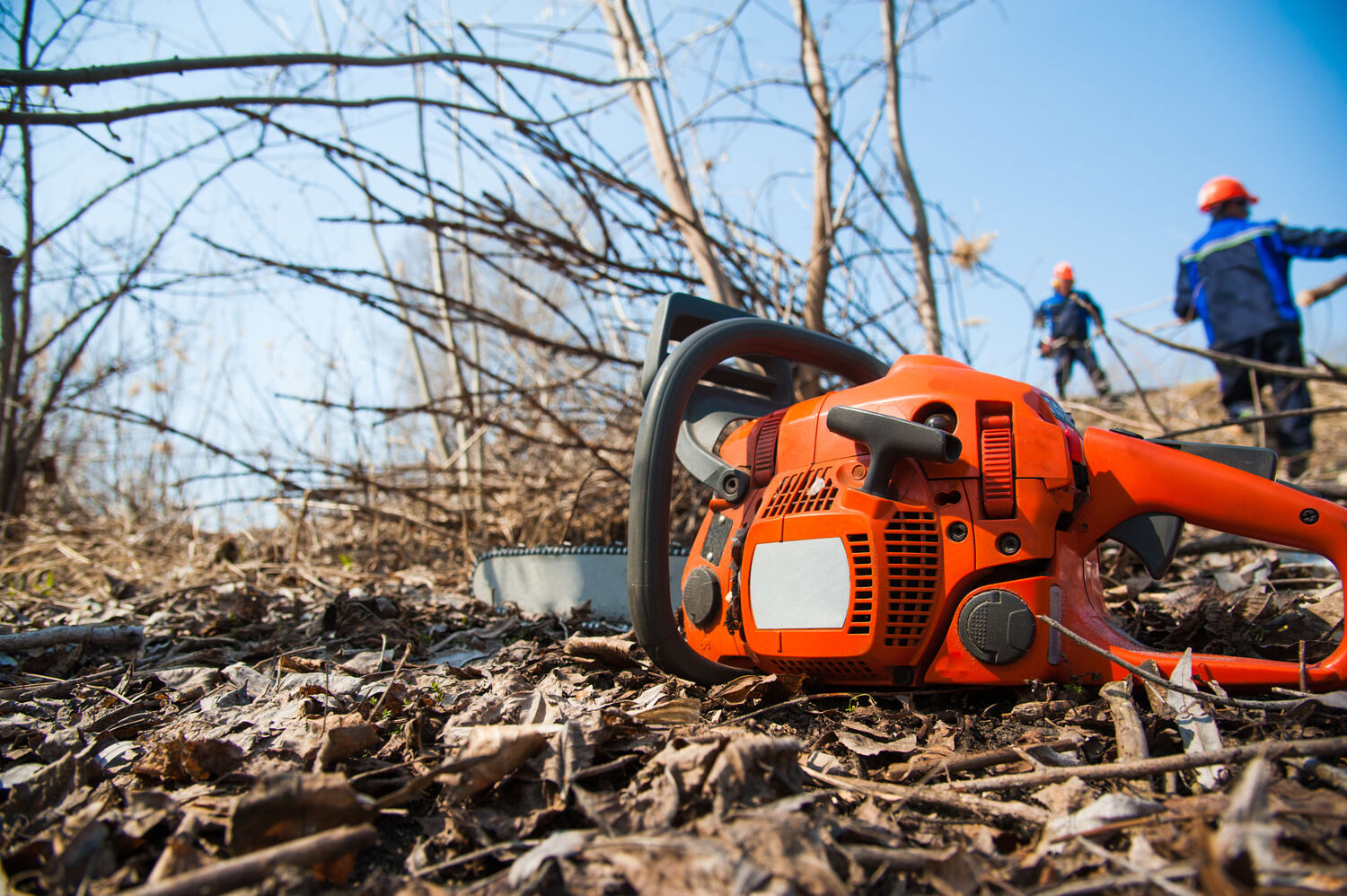
Climbers, platforms or ground-based work depending on the tree, we use what the job calls for and don’t improvise with the wrong gear.
3
Correct cuts at the right points
Clean cuts just outside the branch collar, not flush to the trunk. No stubs, no tearing. Cuts the tree can actually seal over cleanly.
4
Full cleanup, always included
We chip the brush, remove all cuttings and leave your garden tidy. No pile of branches left on the pavement or pushed into the corner of the garden.
Need a stump ground out after a removal? We handle that too, see the stump removal and grinding page. And we cover the whole of Gauteng, check the areas we serve page for the full list.
“
We had an enormous oak that had been topped badly by someone years before we moved in, it was throwing out these thick, stubby shoots everywhere and starting to block all the light into the kitchen. Tree Hugger came out, explained exactly what had been done wrong and what they could actually do to fix it, and then spent a full morning up in the canopy doing it properly. The tree looks like a tree again. They swept up every last twig. I genuinely couldn’t tell they’d been there except the garden was suddenly a lot brighter.
SK
Siphiwe K.Melville, Johannesburg
Good to know
Tree pruning: your questions answered
How often does a tree need to be pruned?
Most garden trees in Gauteng benefit from a proper inspection and light maintenance every two to three years. Fast-growing species, plane trees, some acacias, eucalypts, may need annual attention, while slow-growing oaks might go four or five years between structural cuts. There’s no universal calendar; the honest answer is when the tree tells you it needs it: when branches are overhanging the roof again, when deadwood appears in the canopy, or when the crown is so dense it’s creating wind resistance or shade problems. A quick on-site look from us costs nothing and tells you far more than any rule of thumb.
Will pruning hurt my tree?
Done correctly, pruning doesn’t harm a tree, it helps it. The key is making clean cuts at the right point (just outside the branch collar, never flush-cutting into the trunk), removing no more than about a quarter of the live crown at once, and timing the work to avoid peak stress periods where possible. The tree will seal over a clean, correctly placed cut far more effectively than a rough, poorly placed one. Harmful pruning is the wrong kind: topping, lion-tailing (stripping all inner growth and leaving only end tufts), flush-cutting and over-pruning all weaken the tree and shorten its life. That’s what we won’t do.
Do you take the branches and cuttings away?
Yes, always. Cleanup is included in our standard pruning price, we chip the brush, bundle or cut any heavier timber, rake up and remove all the cuttings, and leave your property tidy. There’s no separate removal charge and no pile of branches left on the pavement for you to deal with. The green waste gets recycled where possible rather than dumped.
Can you prune branches away from power lines?
Yes, clearance pruning around overhead power lines is one of the most common jobs we do across Johannesburg and Gauteng. We work to appropriate clearance distances, our climbers are comfortable working around live overhead infrastructure safely, and for branches in direct, sustained contact with live lines, we coordinate with the relevant utility before any cutting begins rather than improvising. If a tree has grown into power lines, it’s genuinely a job for professionals, please don’t attempt it yourself.
Get started
Book a free pruning quote anywhere in Gauteng
Tell us about the tree, where it is and what’s worrying you. We’ll arrange a free on-site inspection, give you a plain written quote with no surprises, and work around your schedule. Mon-Sat 7am-6pm, 24/7 for emergencies.