Gauteng stump specialists
Stump Removal & Stump Grinding in Gauteng
A leftover stump is more trouble than it looks, trip hazard, termite habitat, regrowth machine. We grind it away cleanly, 150-300 mm below ground, and hand you back level, usable garden.
- 150-300mm grinding depth
- Mulch removed or repurposed, your call
- Full site cleanup included
Why bother grinding the stump?
Most people expect the tree-felling crew to sort the stump out as well, and the surprise comes when they realise it often sits there for months after the tree is gone, getting in the way of everything. Lawn mowers catch the edges. Children and visitors stumble over it in the dark. Paving projects stall because there's a buried root system to work around. And after a few seasons of Highveld rain, a stump that looked solid is suddenly home to a termite colony.
A stump left in the ground doesn't just sit there quietly. Depending on the species, it keeps putting out energy: certain trees we fell, wild figs, black wattles, Brazilian pepper trees, will throw up ring after ring of suckers from a living root system and turn into a dense thicket within a season or two. The stump becomes less of a leftover and more of a problem that keeps growing back. The clean answer is grinding, and the sooner it happens, the simpler the job.
How stump grinding works
Our process, step by step
Five steps from stump to level ground. Each one matters, and together they're what turns an awkward patch into a clean slate.
01, Assess & quote on-site
We come out and look at the stump in person, the diameter, the species, how near it sits to paving, irrigation lines or structures. Access for the grinder is part of this assessment: can the machine reach the stump directly, or do we need to route it through a side gate or across the lawn? All of this shapes the quote, which is free, written and comes with no obligation. There's no useful number to give you down the phone because two stumps the same size can be completely different jobs depending on what's around them.
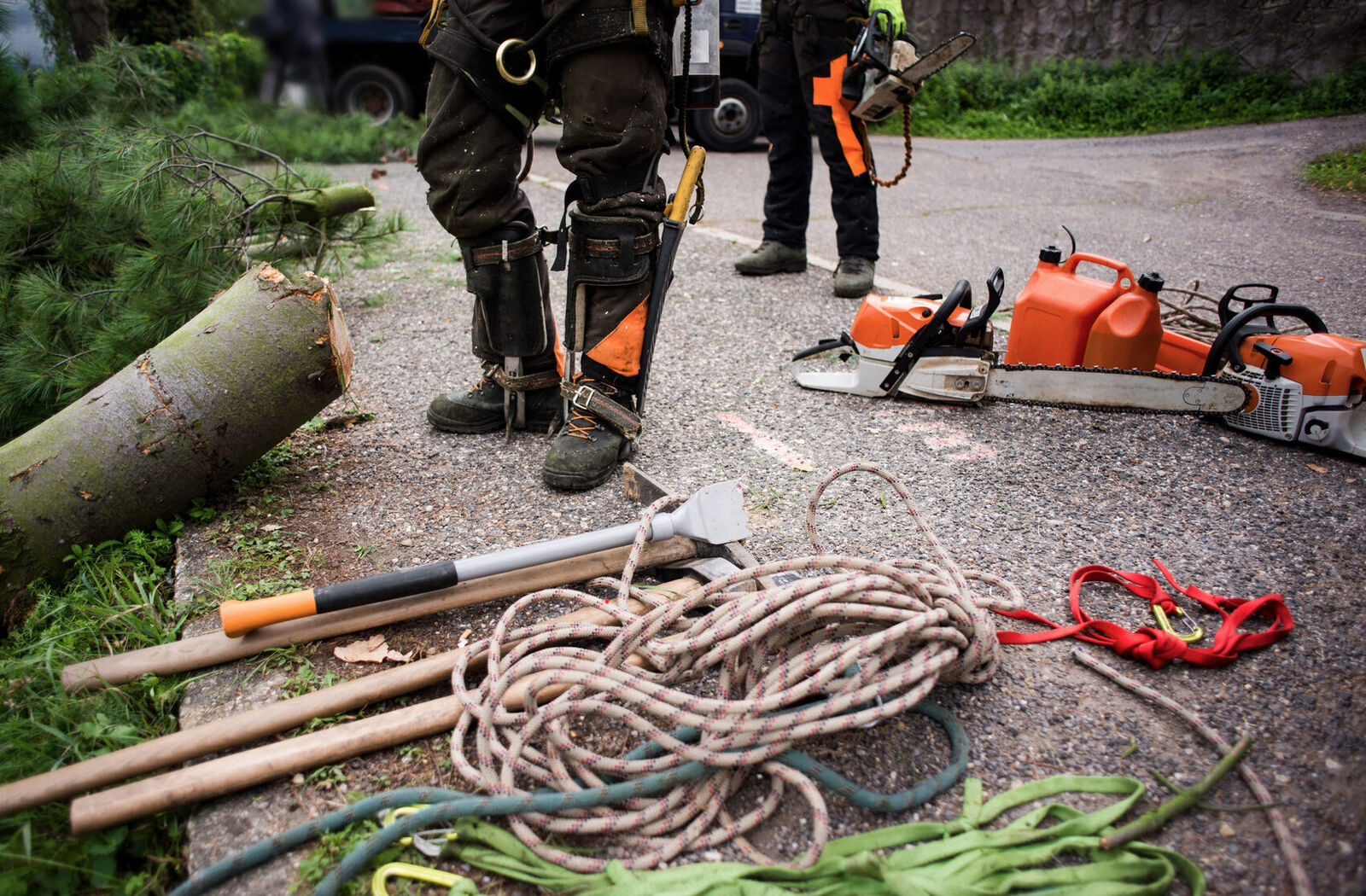
02, Protect the surrounding area
Before the grinder starts, we mark or cover anything that needs protecting: irrigation heads, exposed cables, decorative pebbles, nearby plants. Stump grinding throws chips outward and the rotating cutter head needs working room, the preparation is what keeps your paved courtyard and garden beds intact. We're also checking for buried roots that run toward the house or paving, so there are no surprises once the machine is running.
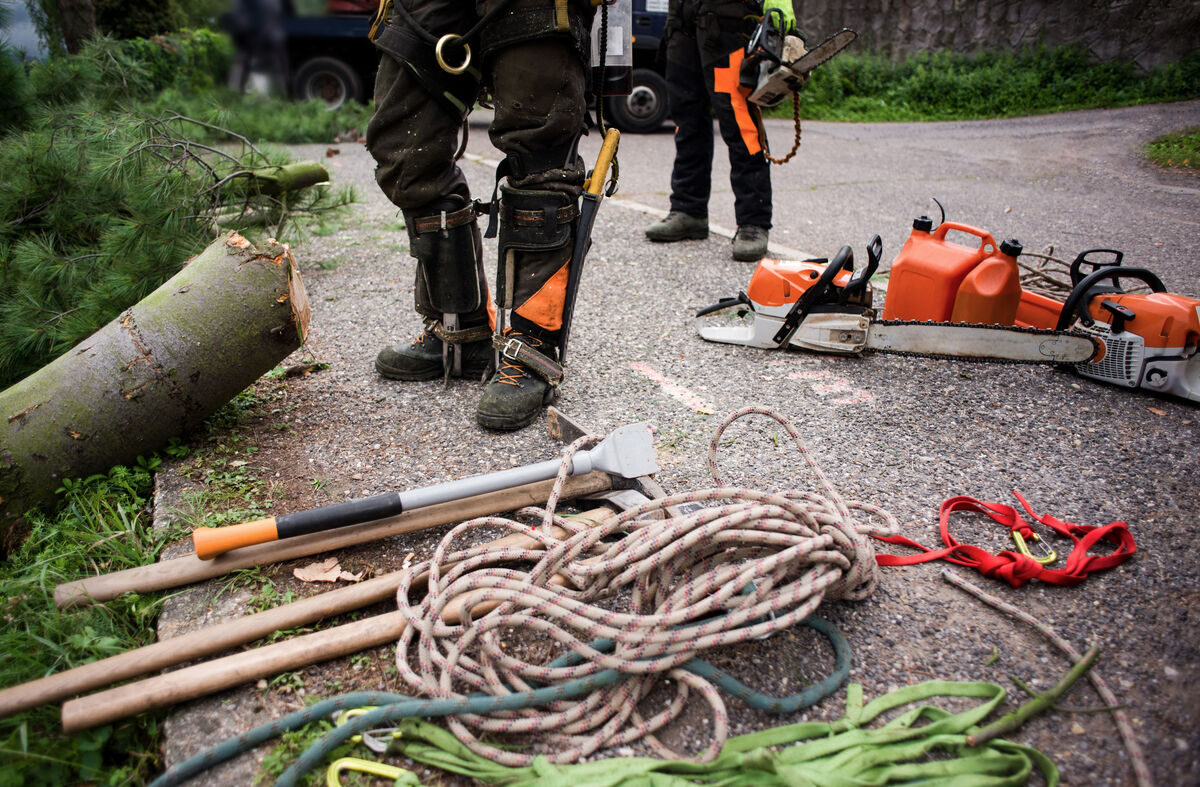
03, Grind the stump 150-300 mm below ground
This is the main event. The grinding head moves back and forth across the stump in overlapping passes, turning solid wood into fine chips. Standard depth for most residential and commercial Gauteng jobs is 150 mm to 300 mm below the existing ground surface, deep enough for lawn seeding, shallow planting or a clean run of pavers on top. A surface grind that leaves the stump 50 mm down isn't a solution; it's just the problem with a hat on. We go deep enough that what's left doesn't interfere with whatever comes next.
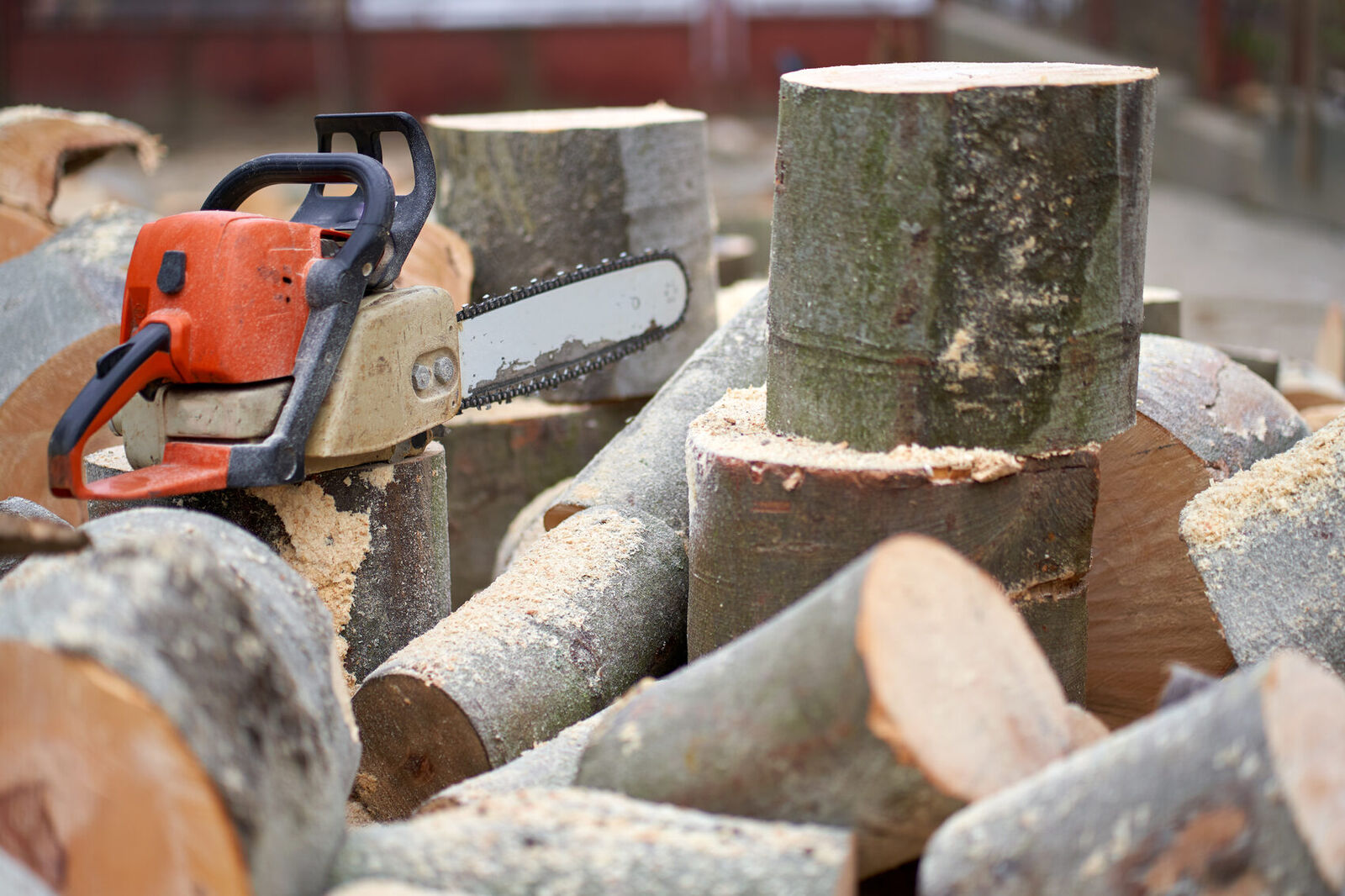
04, Remove or repurpose the mulch, your call
Grinding produces a substantial pile of wood chips, soft, fresh mulch that still smells like the tree. You have two options and we'll do whichever suits you. Keep it: rake the grindings into your flower beds as a mulch layer, where it'll break down over a season or two and improve the soil. Remove it: we load it out with the other green waste and it goes off for eco-recycling, no landfill. The mulch-or-remove decision costs the same either way; it's purely about what works for your garden. We'll let you know roughly how much material to expect so you can decide in advance.
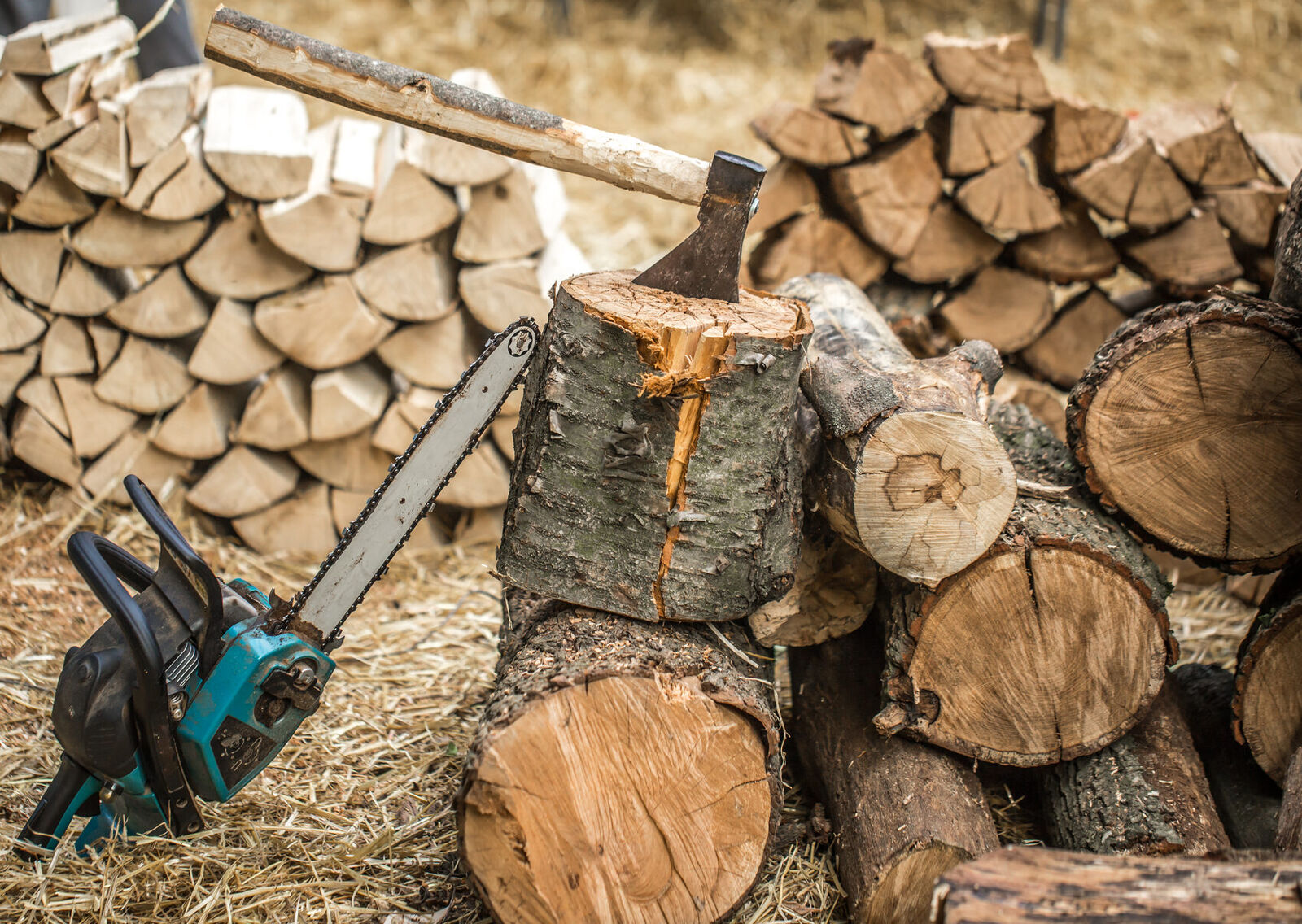
05, Rake & restore level ground
Once the grinding and mulch decisions are sorted, we rake the cavity level, tamp down any loose material, and tidy the edges of the hole. What you're left with is a clean, level patch of earth, not a crater and not a hump of wood chip, that your landscaper, gardener or paving contractor can work straight from. If you're seeding lawn on top, we'll tell you the right waiting period. If you're replanting a tree, we'll flag whether any shallow surface roots need attention first. The site should be ready to use, not just finished.
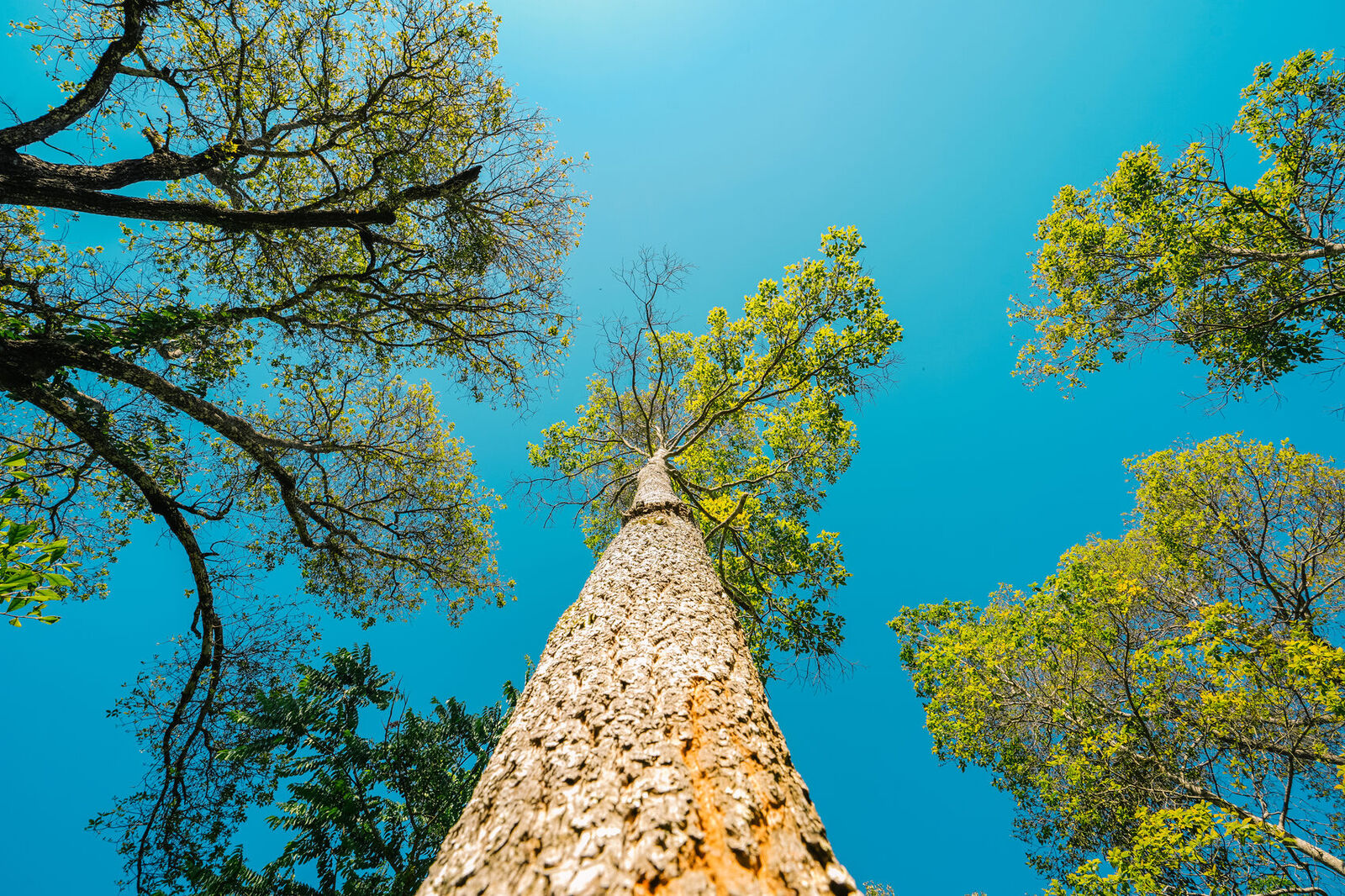
Depth matters more than most people realise
A surface grind that takes the stump down to ground level looks fine from across the garden but leaves most of the root collar, and the problem, intact. We grind to between 150 and 300 mm below the soil surface, because that's the depth at which the stump stops causing real-world issues.
- Termites and wood-boring insects colonise dead stumps close to the surface. Deep grinding removes the habitat entirely rather than leaving a buried timber food source.
- Suckering regrowth from species like wattle, camphor and wild fig can't push through from 150-300 mm down. A shallower grind leaves enough root energy to keep throwing up new shoots for years.
- Paving and lawn work needs a clear 150 mm below sub-base level to avoid buried obstructions shifting or rotting beneath the surface.
- Replanting a new tree in the same spot needs the root crown cleared completely so the new root system can establish without competing with the decaying old one.
Know your options
Stump grinding vs. full root-ball excavation
Both get the stump out. The right choice depends on what you're putting there next. Here's the honest difference.

Stump grinding
Faster · Lower cost · Less disruptionA mechanical grinder turns the stump and root collar into wood chips in-situ, no digging, no heavy equipment on the lawn, and the surrounding garden stays intact. The roots themselves are left in the ground where they gradually break down naturally over a few seasons. For the vast majority of residential gardens in Gauteng, this is the right call: it's quick, the disruption footprint is small, and the depth we grind to is more than sufficient for lawn, paving or a new planting.
- Completed in hours, not days
- Minimal damage to nearby lawn and beds
- Grinding depth stops suckering regrowth
- Roots left to break down, no large void
- Works near paving and structures
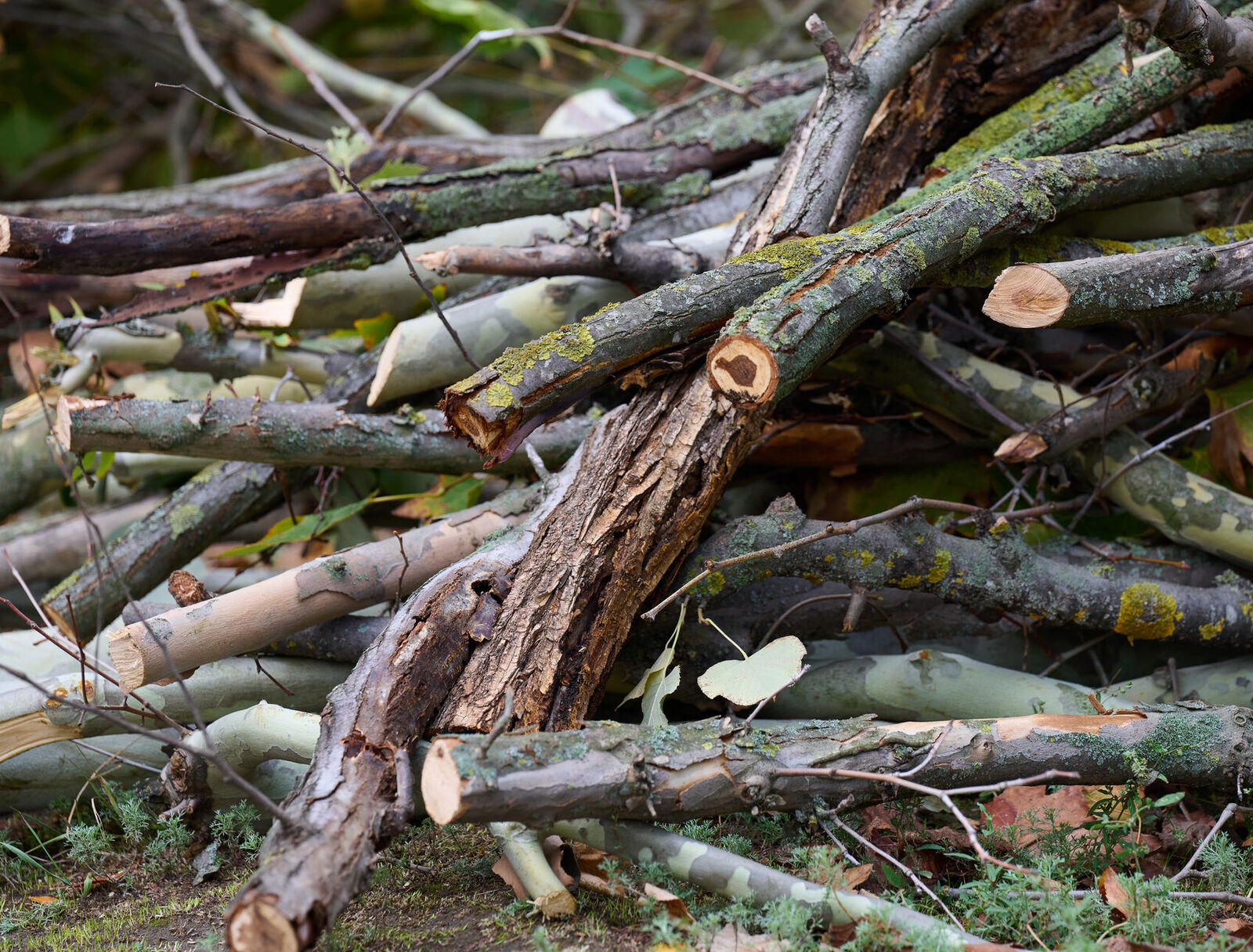
Full root-ball excavation
For specific projects onlyFull excavation means physically digging out the entire root ball, stump, main laterals and all, using a mini excavator or manual labour. The void is then backfilled. This approach makes sense for a narrow set of situations: you're laying a deep slab or pool shell and need a completely clear substrate; you're in a spot where decaying roots would cause long-term drainage issues; or the roots are already causing structural damage that grinding alone won't resolve. For most Gauteng home gardens, it's more expense and disruption than the job actually needs.
- Removes root system entirely
- Ideal under deep slab or pool construction
- Significantly higher cost and longer on-site time
- Large void requires careful backfilling and compaction
- Heavy machinery can damage lawn and existing paving
"We had a massive jacaranda stump right in the middle of the lawn that the previous owners had left. I'd priced it with two other companies and both wanted to bring in an excavator and basically rip up the whole garden. Tree Hugger Collective came out, said a grinder would sort it in two hours and cost about half what the others quoted, and then did exactly that. Cleaned up afterwards, raked the hole level, even asked if we wanted the chips left on the beds. Honestly couldn't believe how tidy the whole thing was."
Good to know
Your stump-grinding questions answered
Does stump grinding actually kill the roots?
Grinding removes the stump and root collar, the part that feeds and directs the tree's energy, but the bulk of the lateral root system stays in the ground to decay naturally. For most species this is absolutely fine: without the stump to drive them, the roots stop growing and simply break down over a few seasons. They won't damage structures in the process because they're no longer actively pushing outward.
The exception is trees that sucker aggressively from their roots even after the stump is gone, certain wattles, Chinese lanterns and a handful of invasive species. If you're dealing with one of those, we'll tell you upfront and we may recommend a herbicide application to the fresh grindings to stop regrowth. In most residential cases though, grinding to 150-300 mm is all that's needed.
Can you grind a stump right next to paving or a boundary wall?
Yes, and we do this regularly. The grinder head can be positioned precisely, and we're careful about chip-throw direction near hard surfaces. We'll protect exposed edges and mark any irrigation lines before starting. The main constraint is physical access, the machine needs to get within about a metre of the stump to work effectively, so very tight spots (inside a planter box, flush against a wall on all sides) might need a different approach, which we'll identify at the quote stage. If there are buried services near the stump, call Dial-Before-You-Dig to confirm depths before we start.
Will the tree grow back after grinding?
Not if we grind to the right depth. The tree's growth energy is concentrated in the root collar and cambium layer at the base of the stump, that's the tissue right at and just below ground level. Grinding to 150-300 mm removes all of it. Without that crown tissue, the tree cannot regenerate from the stump. What you might see in the weeks after grinding is a final flush of suckers from residual root energy, these die back once the root system's stored nutrients are used up, usually within a single growing season. If you want to be certain with a known suckering species, ask us about herbicide treatment at grinding time.
Do you remove the wood-chip mulch afterwards, or does it stay?
Entirely up to you, and we'll ask before we start. Leaving the chips is fine, spread across garden beds they make excellent mulch, suppress weeds and break down to improve the soil structure. Removing them is also fine, the chips go off with our green waste for eco-recycling, not to landfill. The only thing to note if you're planning to seed lawn directly on top of the grinding area is that fresh chips are high in carbon and can temporarily tie up soil nitrogen as they decompose. We'll let you know if that's a factor for your specific situation and what to do about it.
Can I plant a new tree in the same spot straight after grinding?
You can, but it's worth understanding what's in the ground first. The main root ball is gone after a deep grind, but there will be residual lateral roots that take a season or two to break down. For a new tree, we'd suggest waiting three to six months in most cases and backfilling the hole with a fresh, nutrient-rich mix rather than just raking the grindings back in. The grindings themselves are low in nitrogen as they decompose, which can stress a newly planted tree. If you want a replacement tree in the same spot urgently, have a word with us at quote time, we can advise on the best approach based on the species you're removing and what you're planning to plant. We're based across Gauteng and happy to revisit if needed.
Free on-site quotes · Mon-Sat 7am-6pm · 24/7 emergencies
Ready to reclaim that corner of the garden?
Give us a call, drop us a WhatsApp message, or book a free on-site assessment online. We'll come out, look at the stump and the access, and give you a clear written price, no pressure, no obligation. If the quote works for you, we'll book a time that suits and have it sorted.
Free on-site quotes · Cleanup included · Eco recycling · No upselling · 4.9★ on Google (87 reviews)