01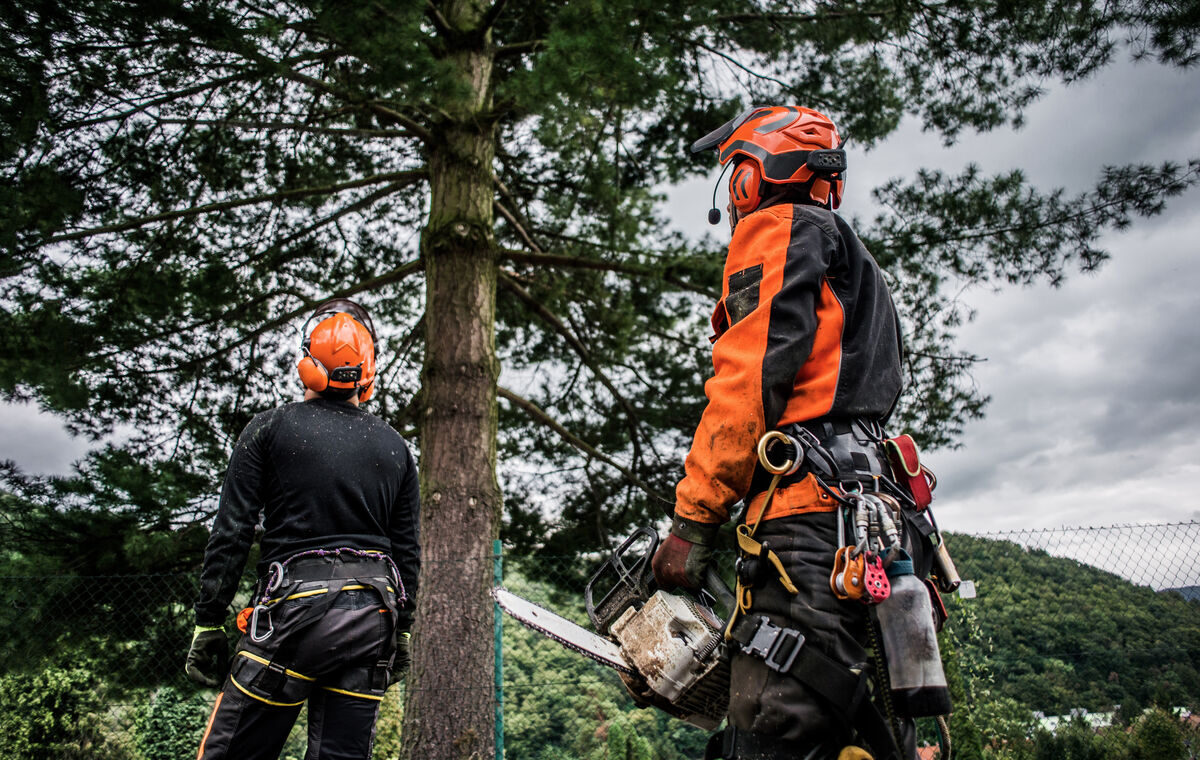
Tree Felling & Removal
Dead, diseased, storm-damaged or simply too big, we take trees down safely in Waterkloof, in controlled sections when they’re near a house, wall or power line. Cleanup always included.
See tree felling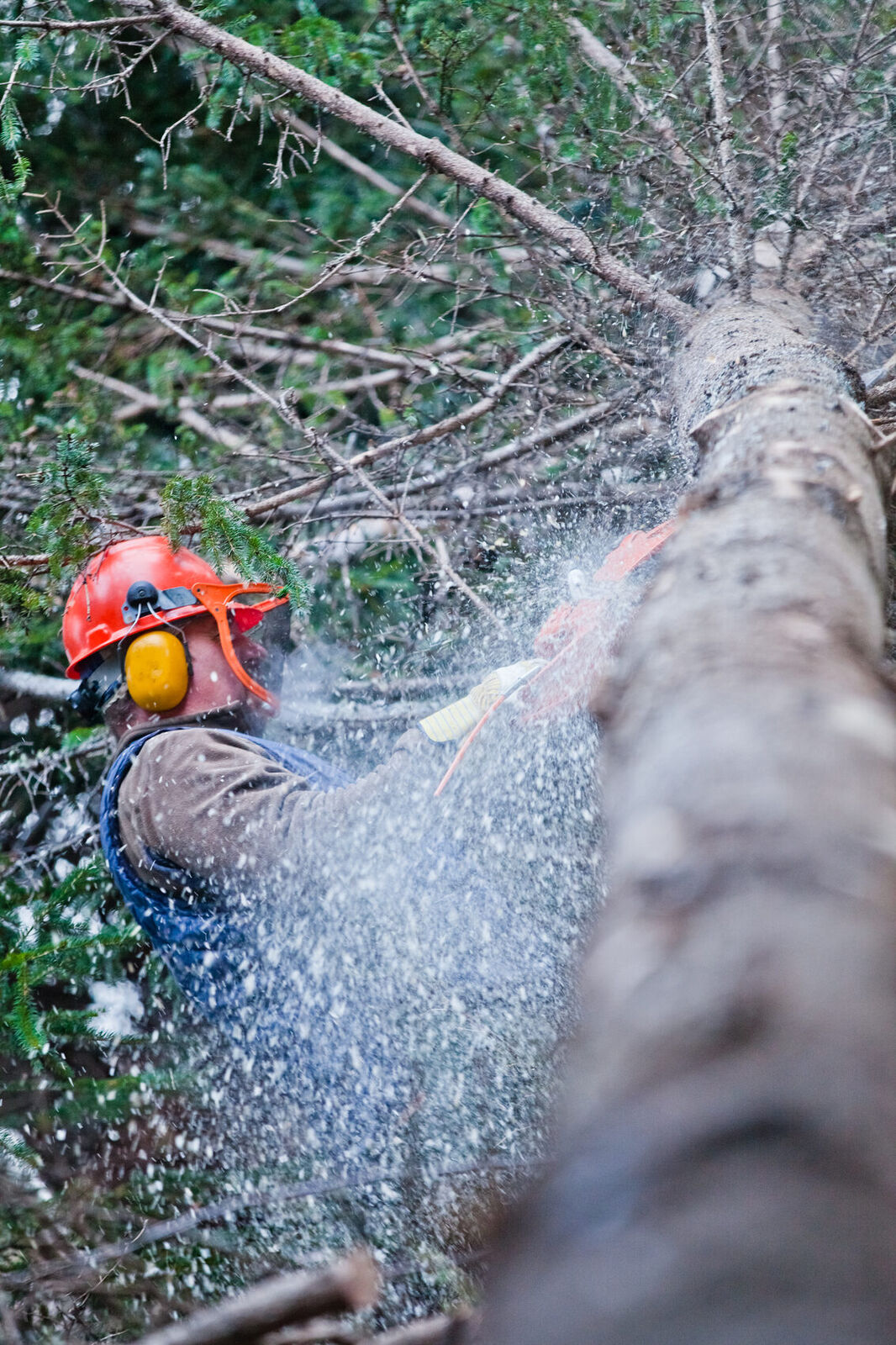
Tree services across Waterkloof
Tree felling in Waterkloof, mature oaks, city-view pruning & heritage garden care.
What we do
From a single removal to a full clearing, we think the work through, turn up with the right gear for the spot, and tidy up before we go.
Dead, diseased, storm-damaged or simply too big, we take trees down safely in Waterkloof, in controlled sections when they’re near a house, wall or power line. Cleanup always included.
See tree felling
We grind stumps 150-300 mm below ground so you reclaim level, usable space in your Waterkloof garden, ready for lawn, paving, decking or replanting.
Get a stump quote
Crown thinning, lifting, reduction and deadwooding that keeps trees healthy, safe and in good shape, and well clear of roofs, gutters and power lines.
Book tree trimming
A tree on the roof or across the drive? Our 24/7 crew makes Waterkloof properties safe fast, then clears the debris and tidies the site.
Call our 24/7 lineLocal tree felling guide
Some suburbs have character that’s accumulated over generations, and Waterkloof is firmly in that category. The ridge properties here have city views that people have shaped their gardens around for fifty years or more. The oaks, English, pin, and the odd Turkey oak, were planted by owners who expected them to outlive the people who planted them, and many have done exactly that. The gardens are not merely landscaping. They are, in many cases, a form of long-term stewardship.
Which is why tree felling in Waterkloof carries a different weight than a quick job in a new development. The trees are bigger, the stakes are higher, the properties are more complex, and the owners, rightly, want to know that whoever is working on their site understands what they’re dealing with. Tree Hugger Collective has worked across the Waterkloof ridge and Waterkloof Heights for years, and we take a considered approach to every job.
The trees that define Waterkloof’s garden character have, in many cases, been growing for 40 to 60 years. That’s long enough to develop real structural complexity, and, in some instances, the structural vulnerabilities that come with age. Before any recommendation is made, we do a proper assessment of the whole tree: canopy health, branch union integrity, trunk condition, root plate stability, and the relationship between the tree and the structures around it.
A large oak on a ridge property may have one side of its root system in near-solid Highveld dolerite and the other in deeper, moisture-retaining clay. That asymmetry matters to how the tree stands, how it responds to drought, and what kind of work is appropriate. We take this kind of detail seriously because it changes the recommendation, and because getting it wrong on a mature specimen is an outcome that can’t be easily undone.
Where a tree is structurally sound and can be managed with careful pruning, we say so. Where removal is genuinely the right answer, severe internal decay, irrecoverable lean, major PSHB infestation, we explain the reasoning clearly and quote the felling and stump grinding work transparently.
The famous Waterkloof panoramic views are partly a function of having properties set on the ridge, and partly a function of how the trees have been managed over the decades. A well-placed oak that frames the cityscape is an asset. The same tree, unpruned for fifteen years, eventually becomes a solid wall of leaf that blocks the very thing it was supposed to complement.
The right response is not to top the tree. Hard topping, cutting back to stubs without regard for natural branch architecture, creates weakly attached regrowth that grows faster than the original structure, creates disease entry points, and within five years has often produced a tree that’s both uglier and more dangerous than the one you started with. We don’t do it.
What we do instead is crown reduction and selective crown lifting, removing carefully chosen branches to reduce overall canopy volume, improve the view corridor, and keep the tree in good structural health. The difference between a properly executed reduction and a topping job is visible from 20 metres away, and it’s the kind of thing Waterkloof homeowners notice and care about. We also handle vista pruning: identifying and removing the specific branches that are breaking the sightline without touching the parts of the canopy that frame it.
Several Waterkloof properties have buildings and gardens that represent significant mid-century architectural and landscape design. Working on these sites requires care beyond the technical aspects of tree work, understanding where the original design intent was and trying to honour it, avoiding damage to established garden structures (dry-stone walls, original paving, mature understory plantings), and taking the time to discuss the work with the owner before starting.
This is not a particularly complicated thing to ask for. It just requires a contractor who listens and thinks before picking up the chainsaw. We plan each Waterkloof job with that level of consideration as the baseline, not the exception.
For trees in confined spaces between walls, above pool copings, or adjacent to original building fabric, we use sectional dismantling, working from the top down, with rigging to control the descent of each section. Where trees are large enough and access constrained enough, crane-assisted lifting is the right tool. We bring the equipment the job requires rather than adapting the job to what’s on the truck.
Waterkloof’s ridge position is beautiful but not easy on trees in dry years. Dolerite-dominated soil profiles drain quickly, and shallow root zones on rocky outcrops mean trees rely heavily on seasonal rainfall that has, over recent years, been increasingly erratic. Drought stress shows in the canopy, early leaf drop, reduced vigour, increased susceptibility to secondary pests and pathogens including PSHB.
If you’re seeing trees in your garden that look less well than they did a few years ago, particularly in oaks and other species that should be in their prime, it’s worth getting a proper assessment. Some of what looks like decline is manageable with appropriate pruning to reduce canopy load and give the tree a better chance in dry conditions. Some of it indicates deeper problems that won’t improve on their own. Either way, understanding what you’re dealing with is the first step.
Spring and early summer storms track across the ridge with some regularity, and larger trees on exposed ridge properties can take significant damage. We provide 24-hour emergency response for storm situations, trees on roofs, damaged trees leaning against structures, hanging limbs that pose immediate risk. We assess, make safe, and remove what needs to come out, clearly.
Post-storm, it’s also worth having any tree that was affected but didn’t fail assessed for secondary structural damage, split branch unions and compromised root plates may not be immediately visible but can become dangerous in the next season’s storms.
Why Tree Hugger Collective
Get the crew or the gear wrong and tree work turns into damage fast. For Waterkloof homes we bring both, work safely, and leave your property the way we found it, only tidier.
Experienced, careful crews who arrive on time and do the job properly, not just quickly.
Same-day availability and 24/7 emergency callouts when a tree can’t wait.
Every job ends with debris cleared, green waste recycled and the space left ready to enjoy.
How it works
We come out, look at the tree, the access and any risks, and listen to what you need, free of charge.
A transparent, itemised price with the scope and timeline spelled out. No pressure, no hidden extras.
Our crew arrives on time with the right gear and works to strict safety standards.
We clear all debris, recycle the green waste, and leave your property neat and ready to use.
Reviews
We have an old English oak in Waterkloof Ridge that the previous owners had topped at some point, it was in poor condition when we bought the property. Tree Hugger Collective did a thorough assessment and gave us a realistic picture: the tree could be rehabilitated, but it would take several seasons of careful pruning rather than a quick fix. They've been managing it for three years now and the improvement is remarkable. Honest advice, skilled work, and they leave the garden exactly as they found it.
Good to know
Yes. We're experienced with the access constraints typical of ridge properties, narrow driveways, steep gradients, mature garden planting that limits equipment movement. We plan access routes as part of the job assessment.
We look at the crown (deadwood, structural form, canopy density), the trunk (any cavities, cracks, fungal bodies, bark anomalies), the root collar and root plate (any lifting, soil cracking, or signs of decay at the base), and the site context (proximity to structures, lean direction, wind exposure). This gives us a clear picture of risk and what management options are realistic.
We'll give you practical input on species suited to the site, soil type, sun exposure, available space, and the Pretoria climate. Indigenous species like white stinkwood, wild olive, or Cape bush willow are often worth considering for their drought tolerance and bird value, alongside more traditional garden choices.
Let us know about the tree and your suburb. One of us will come and assess it for free, then give you a straight written price and a date that suits you.