01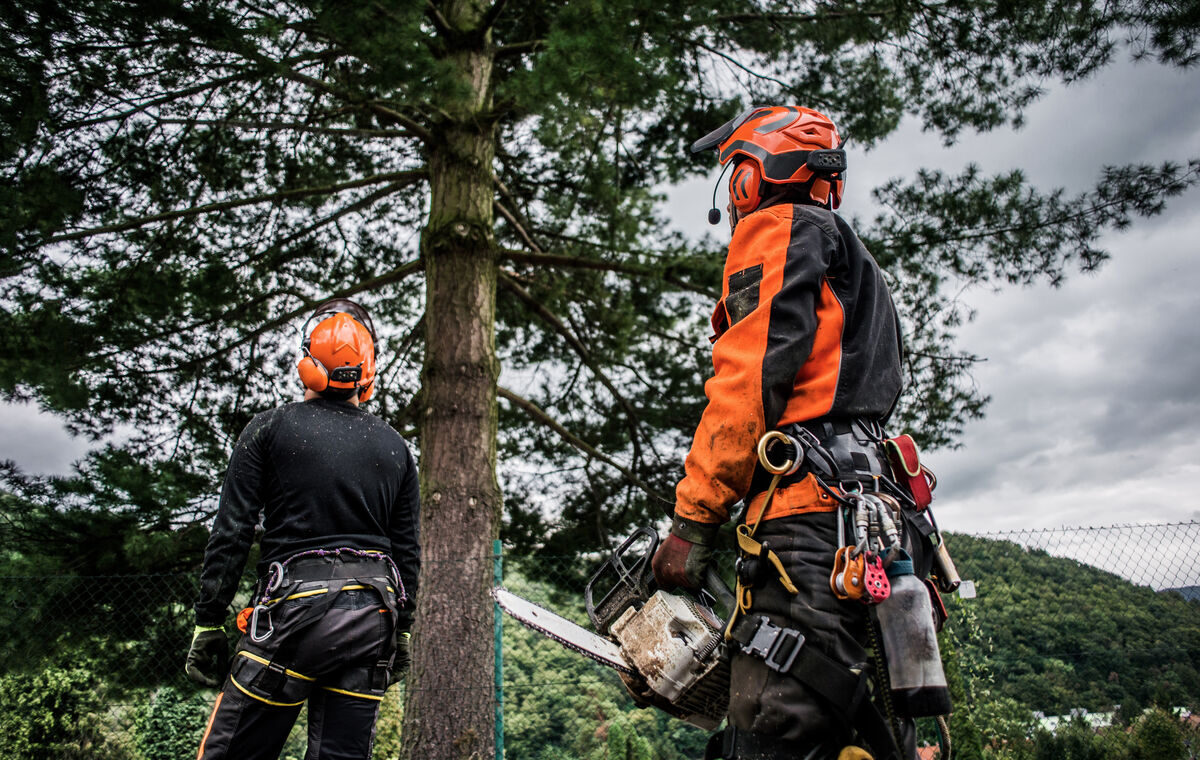
Tree Felling & Removal
Dead, diseased, storm-damaged or simply too big, we take trees down safely in Tzaneen, in controlled sections when they’re near a house, wall or power line. Cleanup always included.
See tree felling
Local arborists in Tzaneen
Tree felling in Tzaneen, subtropical giants, plantation edges, storm damage. Lowveld specialists.
What we do
One leaning tree or a yard full of them, the job gets the same care: a sensible plan, the right equipment, and a clean site at the end.
Dead, diseased, storm-damaged or simply too big, we take trees down safely in Tzaneen, in controlled sections when they’re near a house, wall or power line. Cleanup always included.
See tree felling
We grind stumps 150-300 mm below ground so you reclaim level, usable space in your Tzaneen garden, ready for lawn, paving, decking or replanting.
Get a stump quote
Crown thinning, lifting, reduction and deadwooding that keeps trees healthy, safe and in good shape, and well clear of roofs, gutters and power lines.
Book tree trimming
A tree on the roof or across the drive? Our 24/7 crew makes Tzaneen properties safe fast, then clears the debris and tidies the site.
Call our 24/7 lineLocal tree felling guide
Tzaneen is, by any measure, one of the most visually lush parts of South Africa. You drive in through mango and macadamia orchards, avocado groves, and banana plantations, and the town itself sits in a green bowl of subtropical abundance that most of the country would envy during a dry winter. The rain is generous, the soil is productive, and trees here do not so much grow as surge.
The same conditions that make Tzaneen’s agricultural economy possible also mean that a flamboyant planted ten years ago in a residential garden is now fifteen metres tall and overhanging the neighbour’s roof. A fig tree that seemed like a good idea in year one is lifting the driveway in year eight. And the plantation edge on a smallholding, mango, avocado, the occasional wild fig, eventually needs management that requires more than a chainsaw and a weekend.
Tree Hugger Collective does tree felling in Tzaneen and the surrounding Letaba district with an understanding of the subtropical species involved and the scale they reach here. We have managed 9,500+ trees and our team has 15+ years of combined experience across conditions ranging from tight suburban plots to working smallholdings.
Flamboyant (Delonix regia). Possibly the most spectacular ornamental tree in the Tzaneen residential landscape, the orange-red flower canopy in November is extraordinary. They also grow very fast in Tzaneen’s subtropical climate and develop large, laterally spreading crowns with surface roots that cause the familiar paving-and-foundation issues. When a flamboyant has outgrown its position, crown reduction by a qualified arborist can buy years of extra life; when it needs to go, sectional dismantling is the only safe option given the canopy spread.
Wild fig (Ficus spp.). Present on most smallholdings in the Letaba area, either self-seeded from bird dispersal or planted. They are magnificent ecological trees and genuinely difficult to argue against in an appropriate setting. In the wrong place, over a water line, against a wall, near a foundation, a wild fig becomes an expensive problem quickly. Root systems are aggressive and thorough stump treatment is non-negotiable after removal. Our stump grinding service is specifically designed for the kind of dense, large-diameter stumps these trees produce.
Mango (Mangifera indica). Old mango trees on established Tzaneen smallholdings can be genuinely enormous, fifteen metres plus, with canopies that spread equally wide. When they are productive and healthy, nobody wants to touch them. When a tree is old, diseased, structurally compromised, or in the wrong position relative to buildings or access routes, removal becomes necessary. We have the equipment and the technique for large mango work, including rigging sections around active orchard rows.
Avocado (Persea americana). Similar story to mango in terms of scale on older Tzaneen properties. The wood is relatively brittle compared to many hardwoods, which means storm-damaged avocados often need prompt attention, a split leader on a large avocado will fail eventually and the weight involved is considerable.
Banana. Not technically a tree but managed like one in the context of Tzaneen smallholdings. Old banana stands get overgrown, develop pest pressure, and sometimes need clearing to allow replanting or to remove a disease focus. We can clear banana stands as part of broader garden or smallholding restoration work.
Jacaranda and other planted ornamentals. Tzaneen’s town centre and older residential areas have mature jacarandas and other planted species that grow significantly faster here than they would in a drier climate. In Tzaneen’s rainfall, these trees reach structural maturity quickly and age-related issues appear sooner than expected.
Tzaneen receives between 1,000 and 1,400 mm of rain annually, mostly concentrated between October and March with significant storm events. The combination of high rainfall and warm temperatures produces very fast wood growth, which sounds like a virtue but creates a specific problem: fast-grown wood is often less dense and less structurally sound than the same species grown under more moderate conditions. Large subtropical trees in Tzaneen can appear vigorous from the outside while carrying internal decay, hollow sections, or poorly attached major branches that were formed during a rapid growth surge.
The summer storm season is the stress test. When a tropical low tracks through Limpopo, as happened several times in recent seasons, Tzaneen can receive 100+ mm in 24 hours with strong gusting winds. This is when structurally compromised trees come down, and they often come down onto buildings, fencing, or access roads. A pre-storm assessment and planned removal is always preferable to emergency response at 2am in driving rain.
We offer 24/7 emergency callouts regardless, but we much prefer meeting our clients in dry daylight for a free quote than responding to a crisis at night.
A significant portion of our Tzaneen work happens on smallholdings rather than conventional suburban properties. This changes the job parameters somewhat, access may involve farm roads, trees may be near irrigation infrastructure, and removal may need to happen without disturbing active orchard or crop rows. We work with smallholding owners to plan the operation around what cannot be disturbed, and we are careful about equipment access across planted areas.
If you have a tree row, a windbreak, or an isolated problem tree on a smallholding and you want an honest assessment, call us. Free on-site quote, no obligation, and we will give you our genuine read on whether removal is necessary or whether management and pruning is a better approach. Our tree pruning service is particularly relevant for productive fruit trees where you want to manage size and structure rather than remove the tree entirely.
Why Tree Hugger Collective
Most tree jobs that go wrong were either rushed or handled by people out of their depth. In Tzaneen we arrive with the proper team and equipment, take the safety side seriously, and treat your garden the way we’d treat our own.
Experienced, careful crews who arrive on time and do the job properly, not just quickly.
Same-day availability and 24/7 emergency callouts when a tree can’t wait.
Every job ends with debris cleared, green waste recycled and the space left ready to enjoy.
How it works
We come out, look at the tree, the access and any risks, and listen to what you need, free of charge.
A transparent, itemised price with the scope and timeline spelled out. No pressure, no hidden extras.
Our crew arrives on time with the right gear and works to strict safety standards.
We clear all debris, recycle the green waste, and leave your property neat and ready to use.
Reviews
We had three large mango trees on the smallholding that were old and one was splitting at the main fork. The Tree Hugger team came out to the property, spent proper time assessing all three, not just the obvious one, and gave us a sensible plan. One removal, crown reduction on the other two. The removal was done in a day with no damage to the adjacent row, and the stumps were ground out properly. Very professional operation for a working property. We will use them again when the time comes.
Good to know
Yes, and this is something we plan specifically with the property owner before starting. We select equipment access routes to avoid damaging orchard rows, we work directionally where possible, and we are careful about debris landing on productive trees. Let us know the constraints during the quote visit.
Often yes. A skilled crown reduction on a flamboyant can significantly reduce the height and spread while maintaining the tree's health and flowering. We assess the tree's structure first, if the attachment points are sound and there is no internal decay, a well-executed reduction can buy many more years. We do not top trees, which would be the cheap option and a poor one.
We have 24/7 emergency response for genuine safety situations, tree on a structure, blocked road access, live cable risk. For non-emergency storm cleanup, we typically work through a queue within a few days. Call 0860 017 435 to describe the situation and we will prioritise based on risk.
For most subtropical species in Tzaneen, figs, mangoes, flamboyants, leaving the stump is asking for ongoing trouble. Most will either re-shoot vigorously from the root system or decay into a termite habitat. We grind to 150-300 mm below the surface which solves both problems and allows replanting or paving over the spot.
Yes, our Limpopo coverage runs from the subtropical Lowveld here through to the bushveld capital. See our Polokwane page for detail, or visit areas we serve for the full picture.
Nearby areas we cover
Tell us what you’re dealing with and roughly where you are. We’ll pop out, take a proper look at no charge, and send through a written quote with no strings attached.