01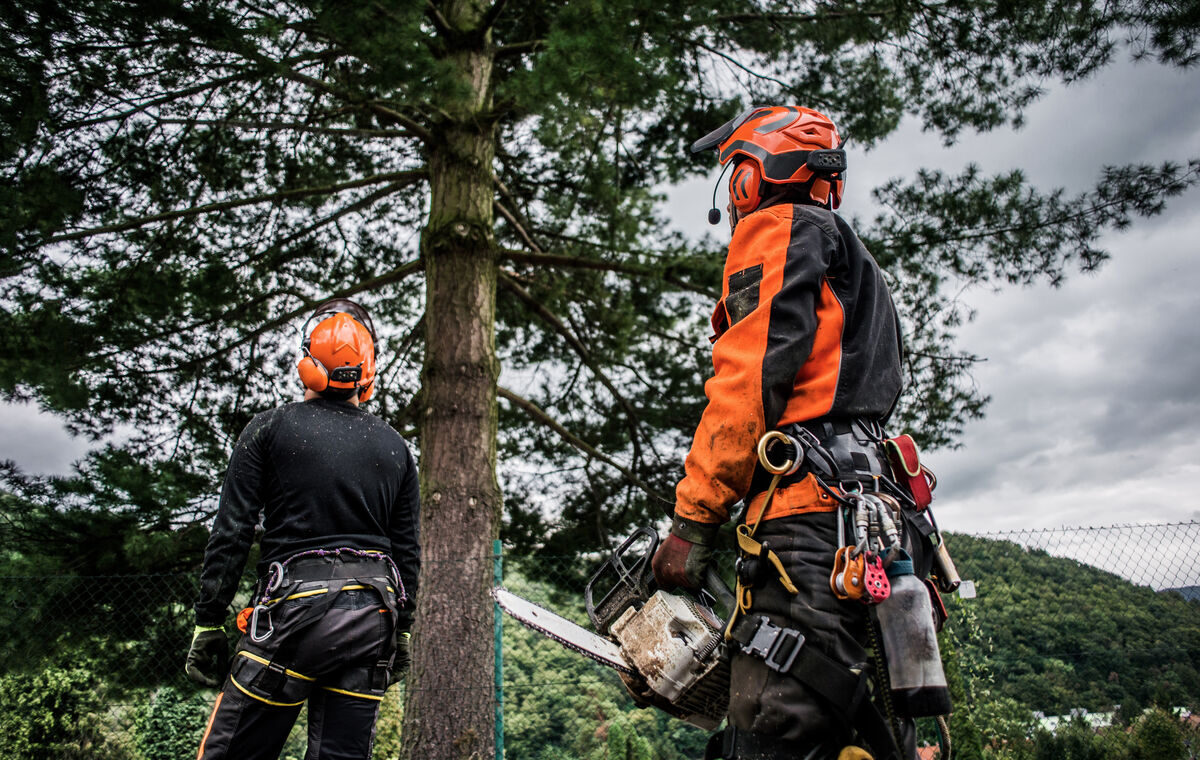
Tree Felling & Removal
Dead, diseased, storm-damaged or simply too big, we take trees down safely in Silver Lakes, in controlled sections when they’re near a house, wall or power line. Cleanup always included.
See tree felling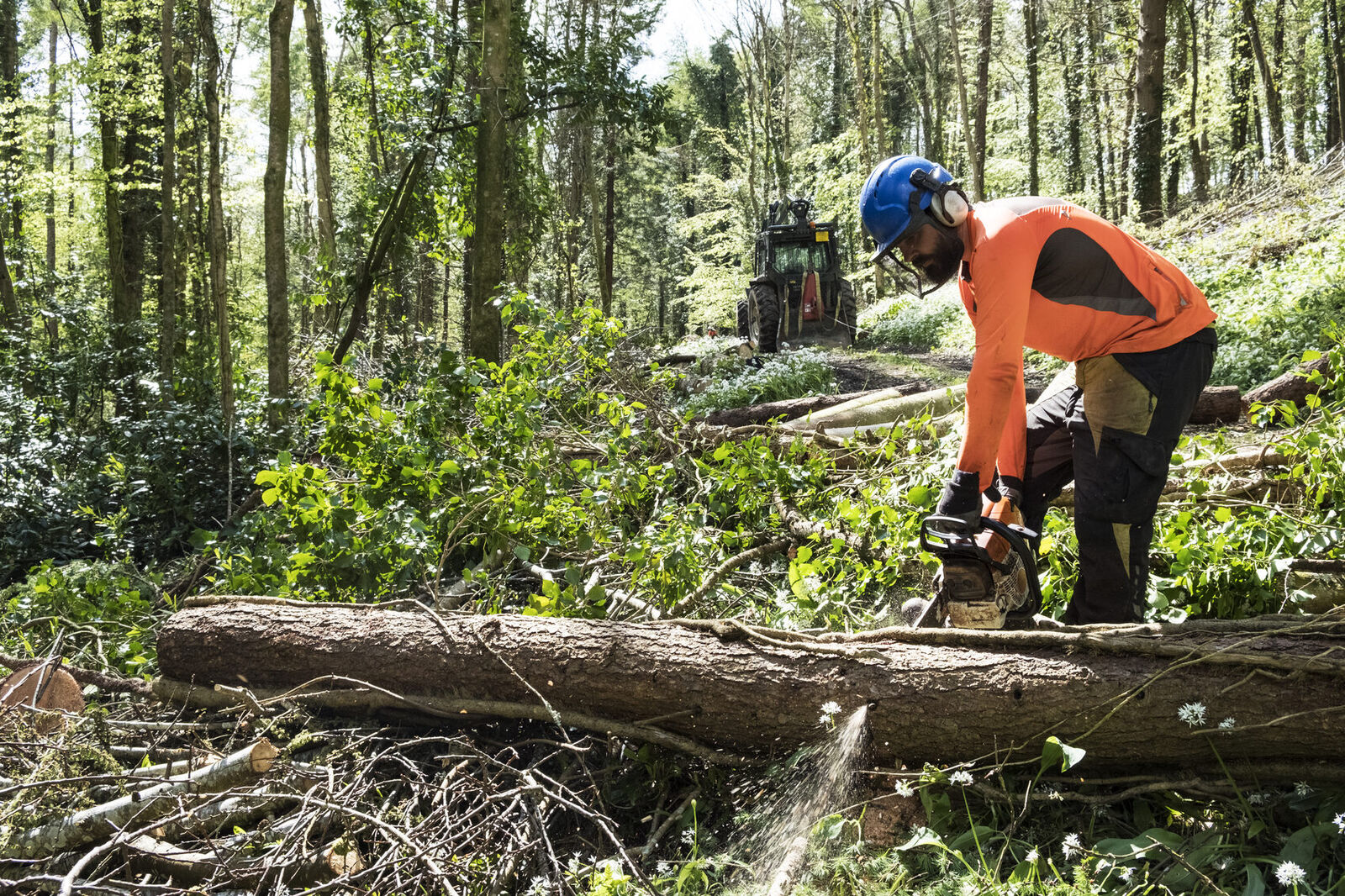
Tree felling & tree care · Silver Lakes
Tree felling in Silver Lakes, estate coordination, indigenous species & HOA-approved removal.
What we do
From a single removal to a full clearing, we think the work through, turn up with the right gear for the spot, and tidy up before we go.
Dead, diseased, storm-damaged or simply too big, we take trees down safely in Silver Lakes, in controlled sections when they’re near a house, wall or power line. Cleanup always included.
See tree felling
We grind stumps 150-300 mm below ground so you reclaim level, usable space in your Silver Lakes garden, ready for lawn, paving, decking or replanting.
Get a stump quote
Crown thinning, lifting, reduction and deadwooding that keeps trees healthy, safe and in good shape, and well clear of roofs, gutters and power lines.
Book tree trimming
A tree on the roof or across the drive? Our 24/7 crew makes Silver Lakes properties safe fast, then clears the debris and tidies the site.
Call our 24/7 lineLocal tree felling guide
Let’s start with the part that catches most Silver Lakes residents off guard: you cannot simply call a tree contractor, schedule a job, and have them arrive at the gate on the day. As anyone who lives in a Silver Lakes security estate or golf village knows, there’s a process. The body corporate or homeowners’ association has rules about contractor access, working hours, waste removal, and in some cases the specific trees that may be removed. Those rules exist for good reasons, and a contractor who doesn’t know them, or who treats them as an inconvenience, is going to create problems for you before the first branch hits the ground.
Tree Hugger Collective works regularly in Silver Lakes and the surrounding estate developments in Pretoria East. We know how to navigate body corporate requirements, coordinate with estate management offices, and document our work to the standard that HOA records need. If your estate requires proof of insurance, contractor registration, or a pre-work inspection by the estate’s own arborist, we handle all of that before the job starts, not as an afterthought. For broader context, see our areas we serve page.
Silver Lakes estates, particularly the golf village properties, were developed with a deliberate planting philosophy: indigenous and near-indigenous species that support local biodiversity, hold up in the Highveld climate without intensive irrigation, and present a consistent green aesthetic along the fairways and common areas. White stinkwood (Celtis africana), wild olive (Olea europaea subsp. africana), buffalo thorn (Ziziphus mucronata), and various acacias are common in the estate’s green belts and boundary plantings.
These are not the same as the oaks and jacarandas you’d find in an older Pretoria suburb. They have different growth habits, different pruning requirements, and different relationships with wildlife, that wild olive is probably hosting a fig-leafed bulbul’s nest somewhere. Before any work on indigenous or environmentally significant trees, we take the time to understand what we’re dealing with rather than treating all trees as interchangeable.
That said, not every tree in a Silver Lakes garden is an indigenous specimen in perfect health. There are plenty of exotic ornamentals, large garden trees planted by previous owners, and trees that have grown into positions that conflict with fencing, irrigation systems, or the carefully manicured fairway edge. We handle tree felling and removal across the full range.
If you’re a Silver Lakes resident planning tree work on your plot, the process typically looks something like this: you submit a request to the HOA or body corporate, identifying the tree(s) and the reason for removal or pruning. The estate may require a tree specialist’s assessment to confirm the work is warranted. Once approved, contractor access is scheduled through the estate management office, and work must occur within the estate’s approved working hours.
We can assist with the documentation side of this process, providing written assessments of tree condition, confirming the scope of work, and identifying the correct category of work (removal vs. pruning vs. emergency response) for the HOA submission. Residents who try to handle the documentation themselves sometimes run into delays because the information isn’t in the format the body corporate expects. Getting it right the first time is faster.
For genuine emergencies, a storm-damaged tree that’s fallen on a boundary wall or is blocking a road within the estate, the process is expedited, and estate management teams are generally reasonable about after-hours access for safety-critical situations. We provide 24/7 emergency tree services and are experienced in getting onto estate sites quickly when it matters.
Golf estate gardens are maintained to a particular standard, and a raw stump sitting in the middle of a lawn or garden bed does not meet that standard. After any tree removal, stump grinding to 150-300 mm below ground level is the appropriate finish, deep enough to allow lawn reinstatement without regrowth pushing back through, and deep enough for new planting if the homeowner wants to replace the removed tree.
In Silver Lakes, where irrigation systems often run close to tree root zones and underground services may be in the vicinity of stumps, we work carefully. Root zones are probed before grinding, and where there’s any doubt about underground service routes, we establish their positions before the grinder goes in. It adds a step, but it avoids the alternative, which is nobody’s idea of a good afternoon.
Many Silver Lakes HOAs have guidelines not just about which trees can be removed, but about how pruning should be executed, maintaining specific canopy heights near property boundaries, not reducing trees visible from the golf course below a certain crown spread, and avoiding topping practices that compromise the estate’s visual standard. We prune to those guidelines without needing to be repeatedly reminded about them.
For indigenous garden trees, pruning is generally lighter-touch than for exotics, mostly crown cleaning (removing deadwood and crossing branches), lift pruning to maintain clearance over pathways and driveways, and occasional structural corrections in younger specimens that have developed poor form. We don’t apply heavy reduction techniques to indigenous trees unless there’s a very specific structural or safety reason to do so.
The Polyphagous Shot Hole Borer doesn’t check whether it’s entering an estate or a public park. This invasive bark beetle has been spreading through Gauteng’s urban and suburban tree canopy, and while its primary hosts tend to be certain exotic species (box elder and white mulberry in particular), there are confirmed cases of infestation in a broader range of species than initially expected.
If you’re seeing unexplained dieback, small round bore holes in bark, or a general decline in trees that should be healthy, it’s worth getting an assessment. PSHB is not a death sentence for every affected tree, but it requires prompt attention and, in heavily infested cases, removal with appropriate disposal to prevent spread to adjacent properties. We’re experienced in identifying PSHB and advising on the right course of action.
Why Tree Hugger Collective
Get the crew or the gear wrong and tree work turns into damage fast. For Silver Lakes homes we bring both, work safely, and leave your property the way we found it, only tidier.
Experienced, careful crews who arrive on time and do the job properly, not just quickly.
Same-day availability and 24/7 emergency callouts when a tree can’t wait.
Every job ends with debris cleared, green waste recycled and the space left ready to enjoy.
How it works
We come out, look at the tree, the access and any risks, and listen to what you need, free of charge.
A transparent, itemised price with the scope and timeline spelled out. No pressure, no hidden extras.
Our crew arrives on time with the right gear and works to strict safety standards.
We clear all debris, recycle the green waste, and leave your property neat and ready to use.
Reviews
As a trustee for our HOA in Silver Lakes, I deal with contractor issues more than I'd like to. Tree Hugger Collective stands out simply because they take the estate process seriously, they submitted all the required documentation upfront, coordinated directly with our estate manager for access, and completed the job (removal of two large trees near the fourth fairway boundary) without a single resident complaint. We've put them on our approved contractor list.
Good to know
Yes. We can provide a written assessment of the tree's condition, confirm the recommended scope of work, and supply our insurance and contractor credentials in whatever format your body corporate requires.
We work within whatever access requirements your estate imposes, pre-registration, vehicle passes, ID verification, working hour restrictions. We ask about these at the quoting stage so there are no surprises on the day.
Trees in common areas are the HOA's responsibility, not the individual homeowner's. If you've identified a tree on common property that you believe poses a risk to your plot, you can raise it with the HOA and we can provide an independent assessment to support your case if needed.
Yes. For the Pretoria East climate and the estate's planting philosophy, species like white stinkwood, wild olive, mountain karee (Searsia leptodictya), and weeping boer-bean (Schotia brachypetala) are all worth considering. We'll advise based on the specific site, sun exposure, soil depth, and proximity to other plantings.
Nearby areas we cover
Let us know about the tree and your suburb. One of us will come and assess it for free, then give you a straight written price and a date that suits you.