01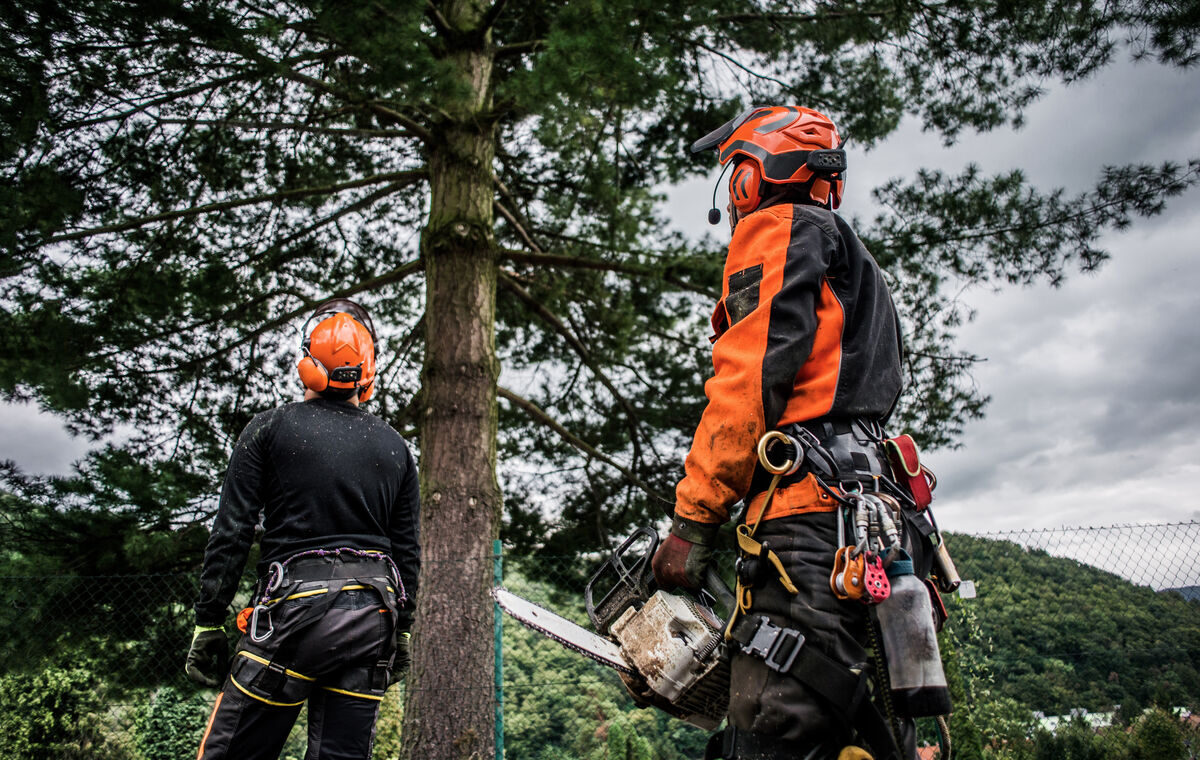
Tree Felling & Removal
Dead, diseased, storm-damaged or simply too big, we take trees down safely in Kloof, in controlled sections when they’re near a house, wall or power line. Cleanup always included.
See tree felling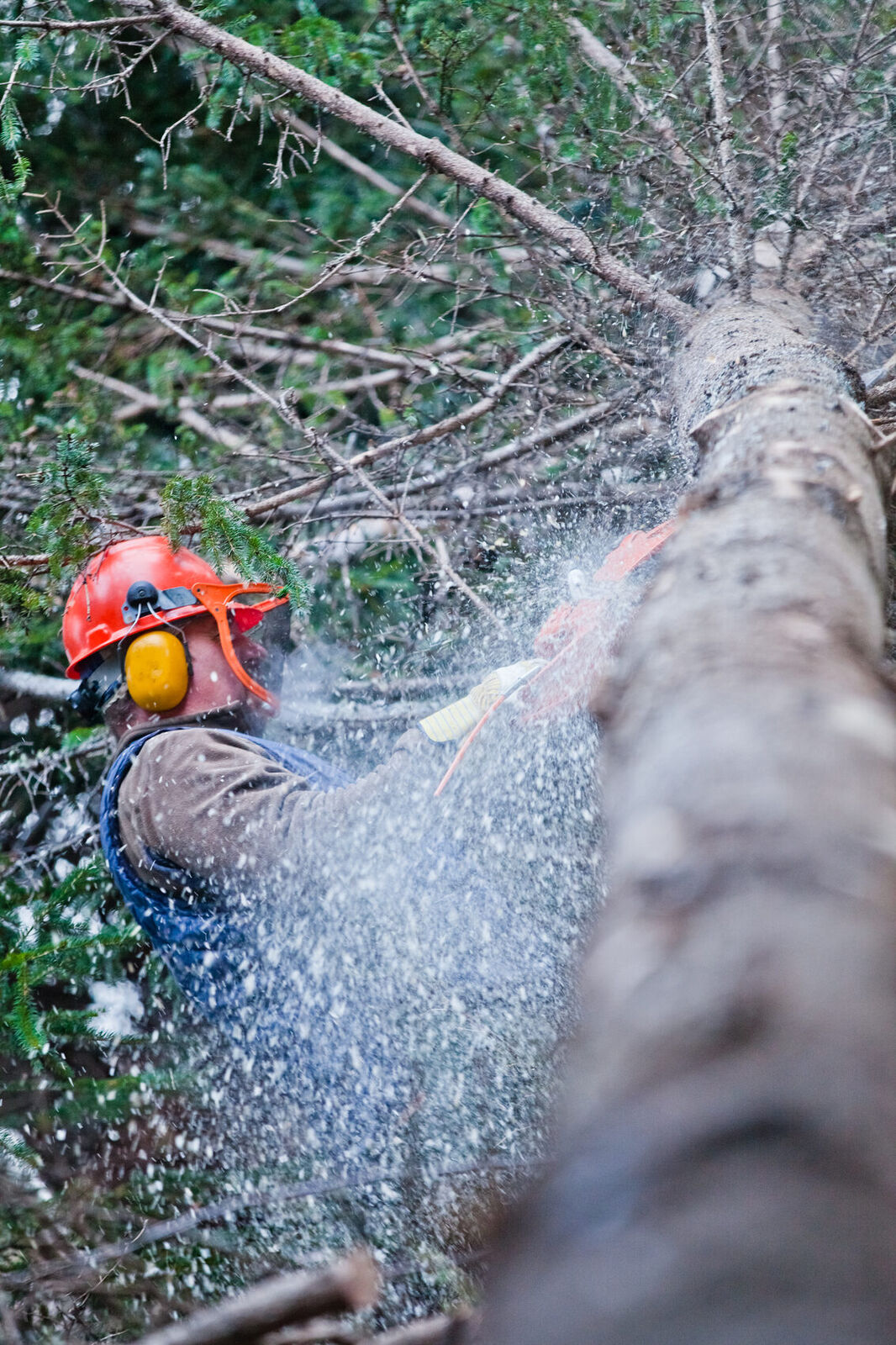
Tree services across Kloof
Tree felling in Kloof, gorge-edge properties, indigenous forest, expert rigging on steep ground.
What we do
Big tree or small, the approach doesn’t change. We plan it, bring what the job actually needs, and hand the space back clean.
Dead, diseased, storm-damaged or simply too big, we take trees down safely in Kloof, in controlled sections when they’re near a house, wall or power line. Cleanup always included.
See tree felling
We grind stumps 150-300 mm below ground so you reclaim level, usable space in your Kloof garden, ready for lawn, paving, decking or replanting.
Get a stump quote
Crown thinning, lifting, reduction and deadwooding that keeps trees healthy, safe and in good shape, and well clear of roofs, gutters and power lines.
Book tree trimming
A tree on the roof or across the drive? Our 24/7 crew makes Kloof properties safe fast, then clears the debris and tidies the site.
Call our 24/7 lineLocal tree felling guide
Stand at the back of a Kloof property that drops into Krantzkloof Nature Reserve and you’re looking at something genuinely wild, a steep indigenous forest gorge that runs from the Molweni area down to the uMngeni, dense with yellowwood, Cape fig, white pear, and tree fern. It’s one of the most ecologically intact forested gorges accessible from any KwaZulu-Natal suburb, and it makes Kloof unusual.
It also creates a very specific tree-work situation. The gorge edge means the properties that back onto the reserve have steeply sloping gardens with large indigenous trees, often growing right on the lip of a dramatic drop. Some of those trees are healthy and should stay. Some are dead, damaged, or have been undermined by invasive species creeping up from the reserve boundary. And a few are structural hazards that a homeowner simply can’t ignore, they’re just sitting above the house, waiting for a February storm.
Tree felling in Kloof requires different thinking than flat suburban work. We use ropes, rigging, and a methodical top-down approach because the alternative, a freefall into a steep garden above a gorge, isn’t actually an option.
Properties along Krantzkloof Road, Innes Road, and the quieter streets that back directly onto the reserve boundary are in a complicated position. The indigenous forest doesn’t stay on its side of the fence. Seeds come over. Seedlings establish. And from the reserve side, water, shade, and roots extend under the boundary into domestic garden soil.
At the same time, the reserve adjacency is what makes these properties worth what they’re worth. Nobody wants to live next to Krantzkloof and then concrete the garden, the whole point is the trees, the birdsong, the forest air. So the challenge is always calibrated: remove what genuinely needs to go, manage what can be managed, and do it without damaging what makes the property special.
This is where experience with sectional dismantling earns its keep. On a steep Kloof garden backing onto the gorge, we don’t drop trees, we dismantle them from the crown down, rigging each section to a lowering line so the timber goes exactly where we plan for it to go. It takes longer. It requires more equipment. It’s worth it.
Kloof’s tree canopy is a mix of genuine indigenous forest species, garden exotics, and invasive aliens, often all three in the same backyard. Getting the balance right requires understanding what you’re looking at.
On the indigenous side: Natal fig (Ficus natalensis) and Cape fig (Ficus sur) are common and spectacular; white stinkwood (Celtis africana) is ubiquitous along the forest edge; white pear (Apodytes dimidiata) is a beautiful slow-growing species that does well in Kloof’s conditions. Ironwood, forest elder, and Cape holly complete the typical gorge-edge understorey.
Most of these are worth keeping, and many are protected under eThekwini’s tree protection provisions. We’ll tell you during the site assessment if a species is protected and if a permit is needed before we touch it.
On the invasive side: syringa (Melia azedarach) is prolific throughout Kloof and is a Category 1b invasive despite looking relatively benign. Black wattle comes in from disturbed ground. Lantana is particularly bad on the reserve boundary, it’s a bird-dispersed seed that gets carried in from the reserve itself. Camphor laurel and Indian shot (Canna indica) are also common in older established gardens.
We clear invasives properly, cut, stump-grind to depth, remove all material. The stump grinding page explains the process in detail.
The word “rigging” comes up a lot in Kloof because the access situation regularly demands it. A large tree on a 40-degree slope, 30 metres above the gorge floor, with the house 5 metres uphill and the boundary fence 4 metres downhill, there is no safe freefall direction. Every cut has to be controlled.
We use a combination of mechanical rigging (pulleys, lowering devices, anchor points in the upper crown) and hand lines to direct timber to a designated drop zone. On the steeper properties we’ve worked, we’ve used the driveway or upper terrace as a safe landing zone and rigged timber up the slope rather than letting it go down. It sounds counter-intuitive but it’s sometimes the only safe option.
This kind of work requires technical climbing competence as well as tree knowledge. Our team is trained in both. We don’t send a groundsman up a tree with a chainsaw and hope for the best.
More on our general approach to complex felling is at the tree felling page.
A mature Natal fig in a Kloof garden is not something you approach lightly with a pruning saw. These are large, architecturally complex trees with co-dominant stems and spreading surface root systems. Done well, pruning extends their life significantly and reduces the risk of storm damage. Done badly, topping, flush cuts, over-thinning, it accelerates decline and can introduce decay that eventually makes the tree more dangerous than a properly managed one would ever have been.
Our pruning philosophy at Kloof properties is conservative. We remove deadwood, address structural defects (co-dominant forks, included bark, over-extended limbs), thin the canopy to reduce wind resistance, and raise the crown where clearance is needed. We leave enough leaf area that the tree can maintain its energy budget. We don’t recommend major reduction unless the alternative is removal.
If the previous person who pruned a tree on your property topped it, and we see it often, we can assess the resulting structure and advise on the best path forward. Sometimes the damage is manageable. Sometimes it’s terminal and the tree needs to come down safely before it becomes a hazard.
See our tree pruning page for more.
Kloof’s position on the inland escarpment means it gets the full subtropical KwaZulu-Natal summer storm treatment: rapid afternoon thunderstorm development, strong gusty leading edges, and occasionally torrential rain that saturates already-steep soils. Trees in saturated soil lose root anchorage faster than trees in drier conditions, which is why the storm risk in Kloof is real even for trees that look otherwise healthy.
We offer pre-season canopy assessments for properties where the risk picture warrants it, large trees close to structures, trees on very steep slopes, anything with known structural defects. The goal is to identify the risks before a storm does, not after.
We’re available 24/7 for genuine storm emergencies. If a tree has come down on your fence, roof, or garden during a summer storm, call us on 0860 017 435 at any hour. We’ll make the site safe first and do the full cleanup when conditions allow.
Why Tree Hugger Collective
Cutting corners is what causes accidents. Every Kloof job gets the right hands, the right kit, a careful approach to safety, and the kind of respect we’d want for our own garden.
Experienced, careful crews who arrive on time and do the job properly, not just quickly.
Same-day availability and 24/7 emergency callouts when a tree can’t wait.
Every job ends with debris cleared, green waste recycled and the space left ready to enjoy.
How it works
We come out, look at the tree, the access and any risks, and listen to what you need, free of charge.
A transparent, itemised price with the scope and timeline spelled out. No pressure, no hidden extras.
Our crew arrives on time with the right gear and works to strict safety standards.
We clear all debris, recycle the green waste, and leave your property neat and ready to use.
Reviews
Our property drops into the gorge and we had a large dead Natal fig leaning over the corner of the house, it was sitting there for two years while we tried to find someone willing to tackle it. Tree Hugger came out, explained exactly how they'd rig it, and took it down section by section without touching the house or the garden below. Proper professionals.
Good to know
Kloof falls under eThekwini Municipality, which has a tree protection bylaw. Certain indigenous species above a specified circumference may require a permit from the municipality before removal. Protected species are always permit-required regardless of size. We identify the relevant species during the site visit and advise on what's needed before any work starts.
Yes. Our rigging approach means we direct timber away from the gorge edge rather than allowing uncontrolled falls. We're also conscious of the protected nature of Krantzkloof and take care to minimise disturbance to the reserve boundary during access and debris removal.
Partially failed trees, broken at the base but still hanging in the canopy of neighbouring trees, are among the most dangerous situations we deal with. We approach these with additional rigging to control the final separation and prevent secondary failures as the timber is worked. Do not attempt to handle one of these yourself.
We come to the site, assess the trees in question, talk through the approach, and give you a written price for the work. There's no obligation, no pressure, and no upselling. If the job is simpler than you thought, we'll tell you and quote accordingly.
Send through the basics and we’ll do the rest: a free site visit, a clear written quote, and a booking that fits around your week.