01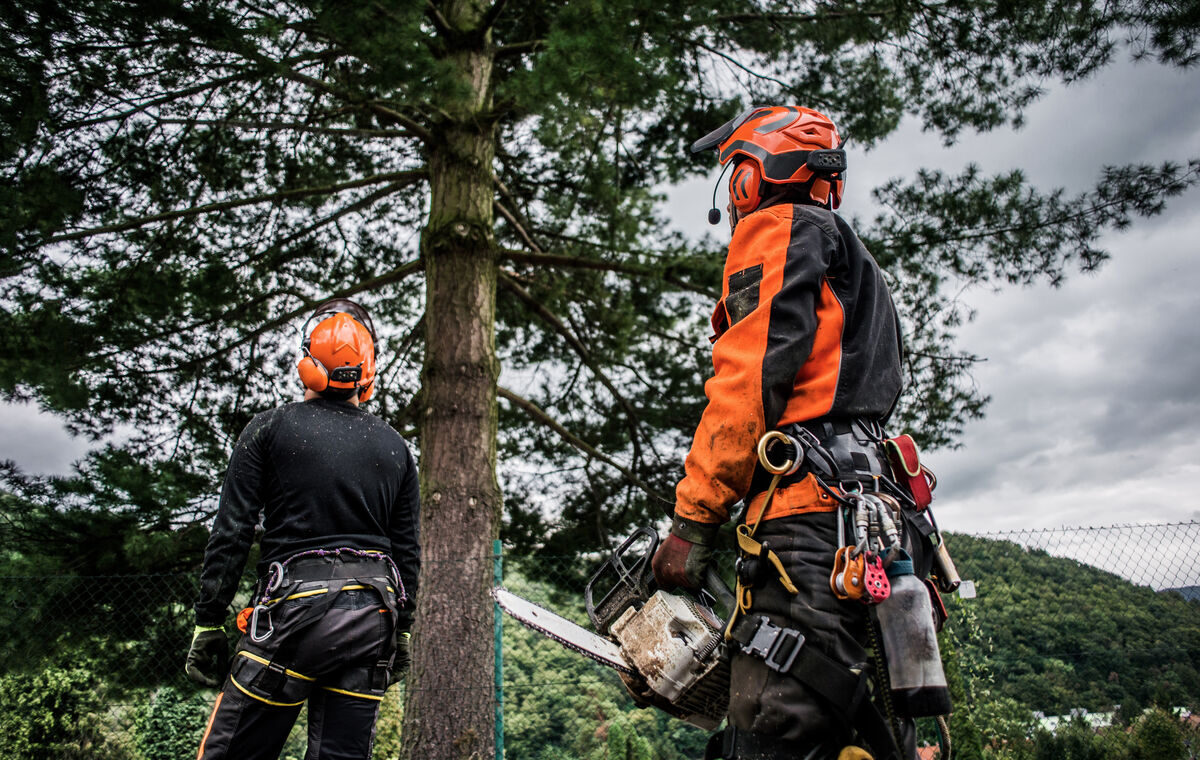
Tree Felling & Removal
Dead, diseased, storm-damaged or simply too big, we take trees down safely in Johannesburg, in controlled sections when they’re near a house, wall or power line. Cleanup always included.
See tree felling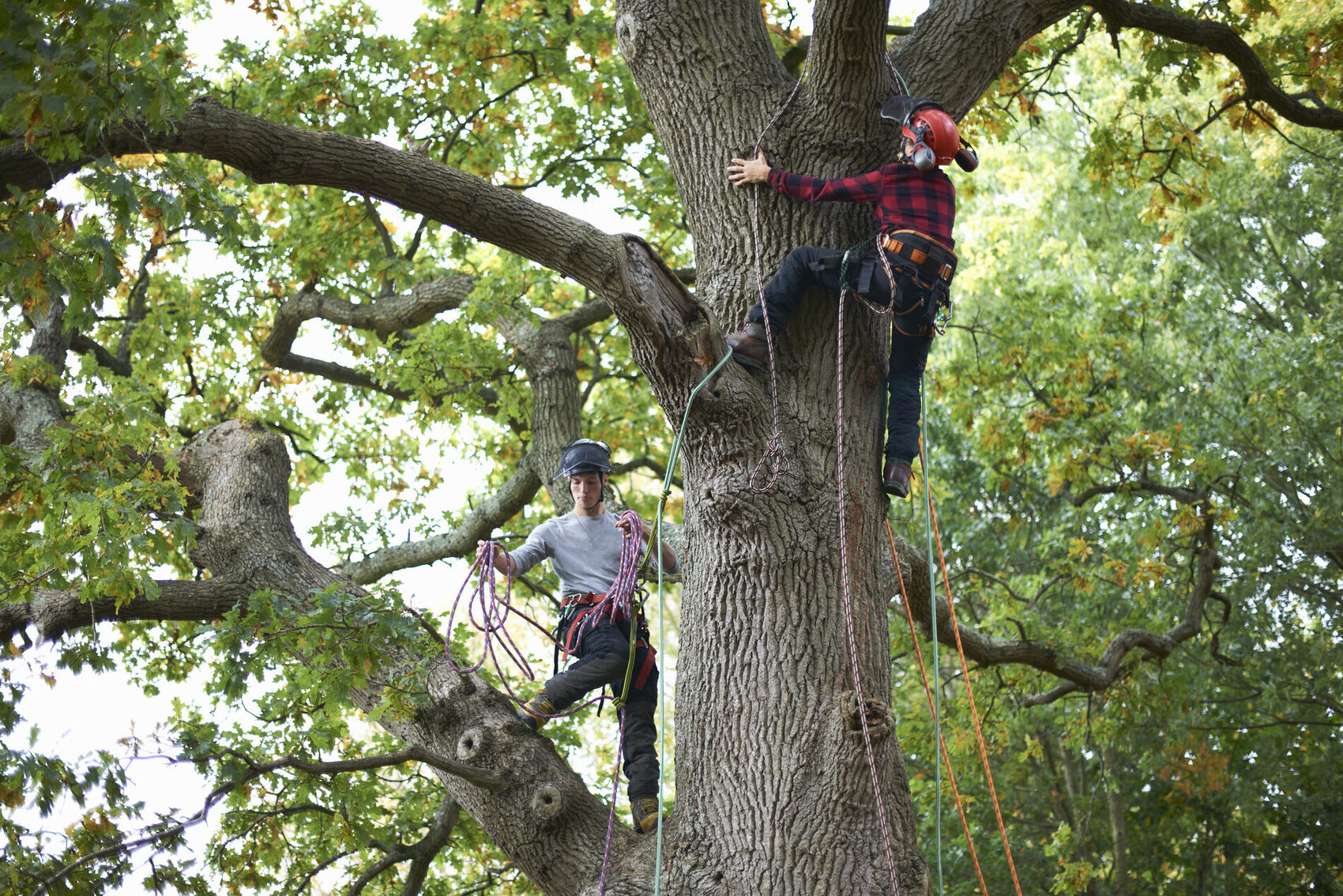
Tree felling & tree care · Johannesburg
Expert tree felling in Johannesburg, safe tree removal, stump grinding, pruning & 24/7 storm call-outs.
What we do
From a single removal to a full clearing, we think the work through, turn up with the right gear for the spot, and tidy up before we go.
Dead, diseased, storm-damaged or simply too big, we take trees down safely in Johannesburg, in controlled sections when they’re near a house, wall or power line. Cleanup always included.
See tree felling
We grind stumps 150-300 mm below ground so you reclaim level, usable space in your Johannesburg garden, ready for lawn, paving, decking or replanting.
Get a stump quote
Crown thinning, lifting, reduction and deadwooding that keeps trees healthy, safe and in good shape, and well clear of roofs, gutters and power lines.
Book tree trimming
A tree on the roof or across the drive? Our 24/7 crew makes Johannesburg properties safe fast, then clears the debris and tidies the site.
Call our 24/7 lineLocal tree felling guide
Fly into OR Tambo on a clear afternoon and Johannesburg doesn’t look like a city at all. It looks like a forest with rooftops poking through it. People have been saying for years that Joburg is one of the largest man-made urban forests on the planet, somewhere north of ten million trees stitched across the ridges and valleys, planted by mining magnates, municipal foresters and a century of homeowners who wanted shade on the bare Highveld. It’s a lovely thing to be part of. It’s also a lot of timber to look after, and every one of those trees is quietly getting older, heavier and closer to something it shouldn’t be near.
That second part is where we come in. Tree Hugger Collective is a Johannesburg crew that spends its days doing the unglamorous half of the urban-forest story: taking down the trees that have become dangerous, grinding out the stumps that get left behind, and keeping the healthy ones pruned so they stay an asset rather than a liability. If you’ve found this page, there’s a good chance a tree on your property has stopped being scenery and started being a worry. Let’s talk about what to do with it.
Here’s the thing nobody mentions when they plant a sapling against the boundary wall: trees don’t stop. The pin oak that was a polite little thing in 1995 is now a four-storey giant with roots under the driveway and limbs over the neighbour’s pool. The bluegum that screened the road is now dropping branches the size of cricket bats every time the wind gets up. Johannesburg’s tree stock is, on average, mature to over-mature, and a huge slice of it was planted in a hurry decades ago with species that grow fast and fail faster.
We get called out to the same handful of situations again and again across the city. A tree that’s clearly dying, thinning canopy, bare branches in mid-summer, bark sloughing off. A tree that’s healthy but simply too big and too close, throwing shade over the whole garden or lifting the paving. A tree that’s split, leaned or half-uprooted after a storm. And the slow-motion ones: roots into drains, roots into foundations, a trunk quietly rotting at the base where you can’t see it. None of these fix themselves, and most of them get more expensive, and more dangerous, the longer they’re left.
The good news is that almost none of it is an emergency if you deal with it early, and even the genuine emergencies are manageable if you call the right people quickly. That’s really the whole job: read the tree honestly, do the safe thing, and leave your property better than we found it.
Felling a tree in a Joburg garden is rarely the “yell timber and stand back” version you see in the movies. Out on a smallholding we can sometimes drop a tree whole into open ground. But in the suburbs, with a roof three metres one way, a pool the other way, a wall behind and power lines overhead, we almost always take a tree down in pieces. This is sectional dismantling: a climber (or a crew on a mobile elevated platform) works up into the canopy and removes the tree limb by limb, lowering each piece on ropes so it touches down exactly where we want it. For the really big or really awkward removals, we’ll bring in a crane to lift whole sections out over the house without a branch ever swinging free.
It’s slower than felling in open ground and it takes proper skill, but it’s the difference between a tidy day’s work and a hole in your roof. We plan every removal around three questions: where can the timber safely land, what’s the safest path for the climber, and how do we keep the public and your property out of the drop zone the whole time. Once the trunk is down, we cut it into manageable rounds and clear the lot, and the cleanup is included, always. You shouldn’t be left with a mountain of logs and a churned-up lawn after we leave.
We take down dead trees, diseased trees, storm-damaged trees, invasive species that have outstayed their welcome, and perfectly healthy trees that are simply in the wrong place. We’re not precious about it, sometimes the right answer for a garden really is to remove a tree, but we’ll also tell you honestly when a tree can be saved with good pruning instead. There’s no commission in talking you into a removal you don’t need, and our reputation in this city is worth more than one extra job.
Cutting a tree down is only half the story, and it’s the half that leaves the smaller-but-more-annoying problem behind: the stump. A leftover stump in a Johannesburg garden is a trip hazard, a termite hotel, an obstacle to paving or replanting, and, with a lot of our local species, a launchpad for a thicket of suckers that’ll have you fighting regrowth for years.
Our stump grinder chews the stump down to 150-300 mm below ground level, well past the point where it’ll cause trouble, so you can lay a lawn, drop in paving, build a deck or plant something new without a buried obstacle in the way. The grindings turn into a barrow-load of mulch, which we’ll either rake into your beds if you want it or cart away with the rest of the green waste, your call. For smaller stumps in open ground we can sometimes dig the whole root ball out instead. Either way you get level, usable ground back, which is usually the entire point of taking the tree out in the first place.
Not every tree needs to come down, and a good chunk of our Johannesburg work is the opposite of removal, keeping a healthy tree healthy so it never becomes the dangerous one. Done right, pruning reduces weight on heavy limbs before they tear, lifts the canopy off your roof and gutters, opens the crown so wind blows through instead of pushing the whole tree over, and clears branches away from power lines and walls. Done wrong, and we see a lot of it done wrong in this city, it’s just vandalism with a chainsaw.
“Topping” a tree (lopping the whole crown off to stumps) is the classic example. It looks tidy for a season, then the tree throws out a dense mass of weak, fast-growing shoots that are far more likely to fail than the limbs you removed. We don’t do it. We thin, lift and reduce crowns using proper cuts that the tree can actually heal over, we remove deadwood before it drops, and we shape young trees so they grow with good structure instead of needing major surgery in twenty years. The result is a tree that looks cared-for and is genuinely safer, not one that’s been butchered.
Johannesburg’s summers are spectacular and occasionally violent. From about October to March the Highveld serves up afternoon thunderstorms that roll in fast, dump rain and hail, and pack the kind of wind and lightning that finds every weak tree in the neighbourhood. The morning after a big storm our phone doesn’t stop: a split trunk leaning on a roof, a whole tree across the driveway, a massive limb hanging by a thread of bark over the kids’ trampoline.
That’s what the 24/7 emergency line is for. When a tree has come down or become dangerous, the first job is to make the area safe, stabilise or remove whatever’s about to fall, clear access, get the hazard away from people and structures, and then deal with the full cleanup. We work weekends, public holidays and the small hours when something genuinely can’t wait until Monday. If you’re not sure whether your situation counts as an emergency, call and describe it; often we can tell you over the phone whether it’s “first thing tomorrow” or “we’re coming now.”
“Johannesburg” covers an enormous spread of very different gardens, and the tree work changes as you move across the city.
In the old northern suburbs, Parktown, Houghton, Saxonwold, Westcliff, we’re often working among genuinely historic trees: huge planes, oaks and pines planted over a century ago, on steep stands with tricky access and a lot of value (and a lot of roof) underneath. These are careful, crane-and-rope jobs where experience counts for everything.
Through Melville, Greenside, Emmarentia and Linden the plots are leafy and established, the trees are big and the streets are narrow, so it’s a lot of sectional removals and careful crown work close to neighbours. Out toward Northcliff and the ridge the gardens get steep and rocky, and we deal with a lot of ageing bluegums and pines that have become too risky to keep. On the West Rand side around Roodepoort and Florida there’s mining history in the soil and a mix of old suburban trees and self-sown invasives. And right across the southern and Soweto suburbs we do the everyday bread-and-butter work: removals, stumps and pruning for homeowners who just want the job done properly and the mess taken away.
You don’t need to know which “zone” you’re in. It just means that whoever rocks up to your place has very likely done a job exactly like yours a few streets over.
The single best time to deal with a risky tree is on a calm week in winter, not during the first big storm of summer. If you’ve got a tree you’re already eyeing nervously, the months from roughly April to September are ideal: the weather’s stable, deciduous trees are bare so we can see the structure clearly, and you’re getting ahead of the season instead of joining the post-storm queue.
A few things worth doing before the rains arrive: have heavy, overextended limbs reduced so there’s less sail area for the wind to catch; clear deadwood that’s only waiting for an excuse to drop; lift branches off your roof and away from power lines; and get an honest opinion on any tree that’s leaning, has a damaged trunk, or sits where it would hit the house if it failed. None of that is expensive compared to a tree through the roof, and most of it we can knock out in a single visit. After a storm, keep your distance from any tree tangled in power lines, that’s a job for the utility and for us, not for a ladder and a handsaw.
Mostly the trees in your own garden are yours to deal with, but there are a couple of real catches worth knowing about before the chainsaw comes out.
First, the trees on the verge, the pavement strip between your wall and the road, generally belong to the city, not to you, even if you’ve watered them for twenty years. Removing or heavily pruning a street tree is the municipality’s call, and you can land in trouble for taking one out without permission. Second, South Africa protects certain tree species nationally, and a handful of protected indigenous species need a permit before they can be felled or even pruned, wherever they’re growing. Most suburban exotics, your pines, bluegums, plane trees, syringas and the like, aren’t in that category, but it’s exactly the kind of thing you want checked rather than assumed.
We deal with this all the time, so part of a proper assessment is flagging whether your tree is one you can simply remove, one that sits on city ground, or one that needs a permit first. We’d far rather raise it up front than have you find out afterwards. If you’re unsure, that’s a good reason to start with an on-site quote rather than a guess.
If you’ve got English oaks, plane trees, boxelders or a few other favourites in your Joburg garden, it’s worth knowing about the Polyphagous Shot Hole Borer (PSHB), a tiny invasive beetle that’s done real damage to trees across Gauteng in recent years. It tunnels into the wood and carries a fungus that blocks the tree’s plumbing, and a badly infested tree can decline and die. Tell-tale signs are lots of small round entry holes, dark staining or oozing on the bark, and fine sawdust-like material around the trunk.
There’s no quick cure, and management is genuinely tricky, but two things matter: get a heavily infested, structurally compromised tree assessed before it becomes a falling hazard, and, this is important, don’t cart infested wood across town as firewood, because that’s exactly how the beetle spreads to the next suburb. When we remove a borer-affected tree we handle the wood responsibly rather than passing the problem on. If you think one of your trees might be infested, it’s worth a look sooner rather than later.
Nobody can price a tree honestly over the phone, and you should be a little suspicious of anyone who tries. The cost of a removal depends on the size of the tree, the species and how hard the wood is, how close it is to buildings and power lines, how easily we can get equipment and timber in and out, and what you want done with the waste. A modest tree in an open back garden is a quick, affordable job. A massive pine hanging over three roofs with no vehicle access is a different proposition, and it’s not fair to either of us to pretend otherwise.
So we come and look, for free, with no obligation. We assess the tree and the access, talk through what you actually need, and give you a clear written quote with the scope and price spelled out. No vague “from” figures that double on the day, no pressure, and no upselling you into work you don’t need. If the quote works for you, we book a time that suits you and get on with it. If it doesn’t, you’ve lost nothing but half an hour. After fifteen-plus years and nine and a half thousand trees, we’ve found that being straight with people is also just good business.
Why Tree Hugger Collective
Get the crew or the gear wrong and tree work turns into damage fast. For Johannesburg homes we bring both, work safely, and leave your property the way we found it, only tidier.
Experienced, careful crews who arrive on time and do the job properly, not just quickly.
Same-day availability and 24/7 emergency callouts when a tree can’t wait.
Every job ends with debris cleared, green waste recycled and the space left ready to enjoy.
How it works
We come out, look at the tree, the access and any risks, and listen to what you need, free of charge.
A transparent, itemised price with the scope and timeline spelled out. No pressure, no hidden extras.
Our crew arrives on time with the right gear and works to strict safety standards.
We clear all debris, recycle the green waste, and leave your property neat and ready to use.
Reviews
We had an enormous old plane tree in Parktown that the body corporate had been arguing about for years, too close to the building, dropping limbs, and right over the parking. Tree Hugger Collective were the only ones who actually climbed it, talked us through how they'd take it down in sections with no risk to the cars, and then did exactly that. Tidy, calm, properly insured-feeling work. They even ground the stump and left the bay usable the same day.
Good to know
Usually within a day or two for a standard assessment, and same-day when something's urgent. For genuine emergencies, a tree on a roof, a trunk across the drive, call the 24/7 line and we'll get to you as fast as we safely can.
Cleanup is included as standard. We cut the timber down to manageable rounds, clear the debris, recycle the green waste, and leave your garden tidy. If you'd like the firewood or the mulch left for your own use, just say so and we'll stack it for you instead.
Yes, a lot of our city work is in exactly those spaces. Sectional dismantling and roping are made for tight access, and we're used to coordinating with body corporates, managing agents and neighbours so the job runs smoothly.
Often pruning is the better answer, and we'll tell you when that's the case, there's no point removing a tree that good crown work would make safe for another twenty years. Removal is the right call when a tree is dead, structurally failing, diseased beyond saving, or simply in a spot where it can't stay.
The full range. Felling and removal, stump grinding, pruning and trimming, storm cleanup and general tree care, across Johannesburg and the wider Gauteng area.
Nearby areas we cover
Let us know about the tree and your suburb. One of us will come and assess it for free, then give you a straight written price and a date that suits you.