01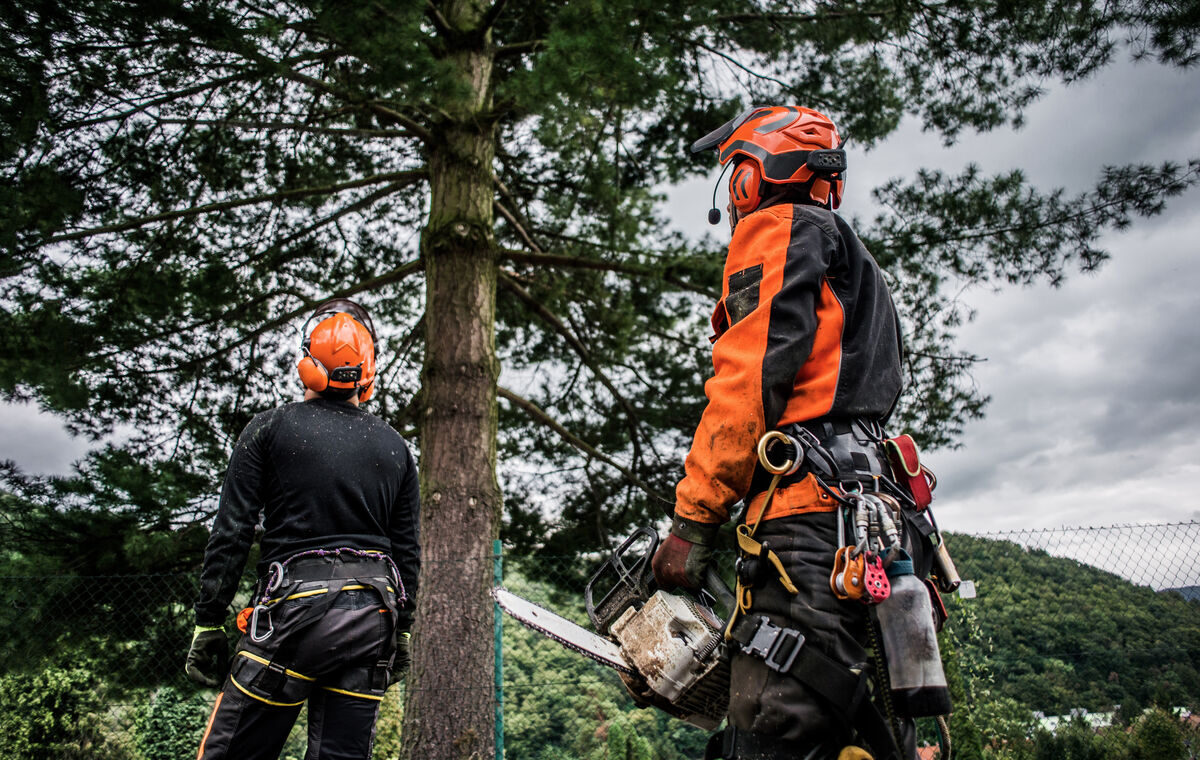
Tree Felling & Removal
Dead, diseased, storm-damaged or simply too big, we take trees down safely in Durbanville, in controlled sections when they’re near a house, wall or power line. Cleanup always included.
See tree felling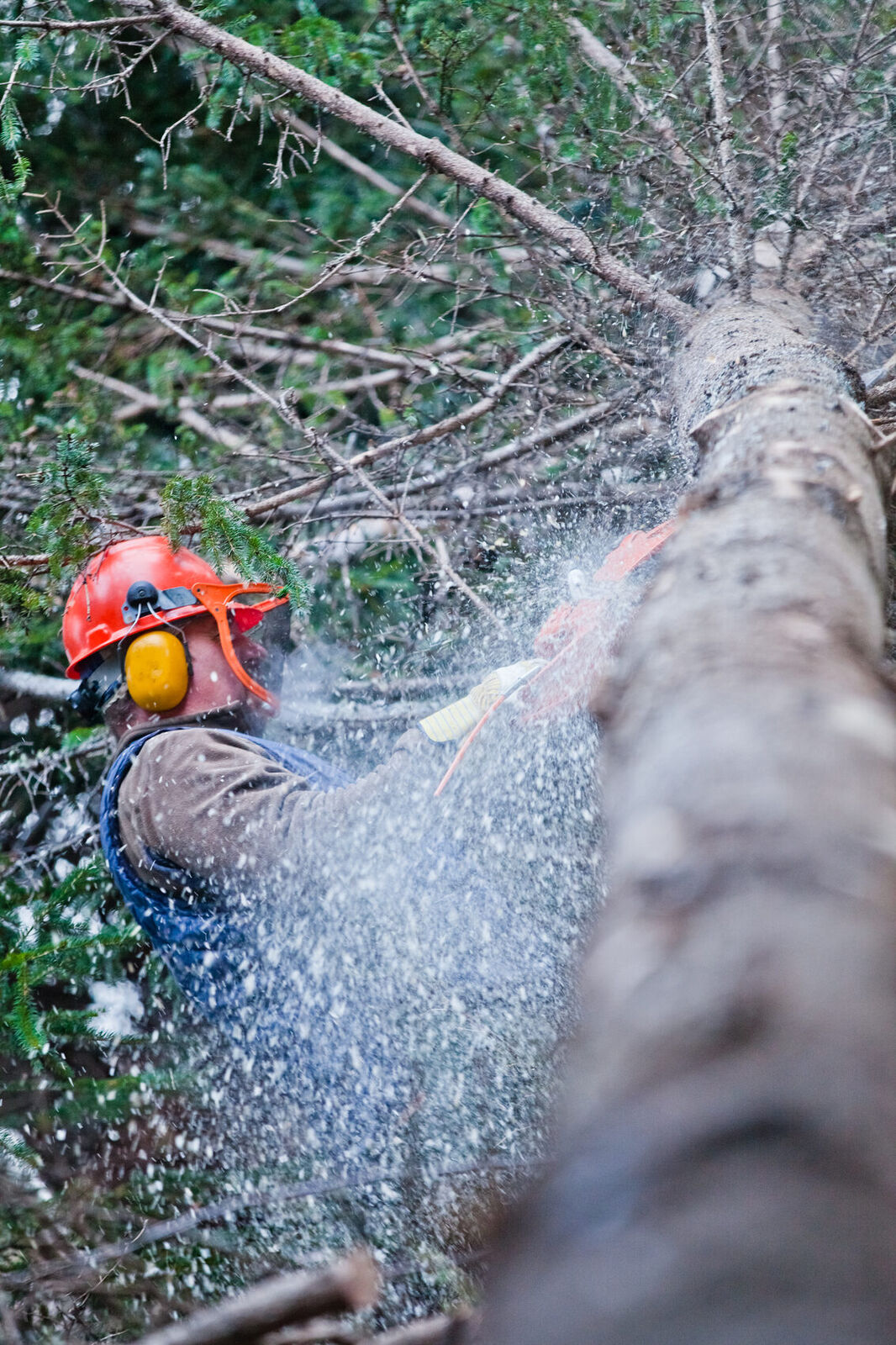
Tree services across Durbanville
Professional tree felling in Durbanville, large oaks, gums & windbreaks on bigger plots. Storm & stump work included.
What we do
Whether it’s one risky tree by the wall or a whole plot that needs clearing, we plan the job properly, bring the right kit, and leave the place neat.
Dead, diseased, storm-damaged or simply too big, we take trees down safely in Durbanville, in controlled sections when they’re near a house, wall or power line. Cleanup always included.
See tree felling
We grind stumps 150-300 mm below ground so you reclaim level, usable space in your Durbanville garden, ready for lawn, paving, decking or replanting.
Get a stump quote
Crown thinning, lifting, reduction and deadwooding that keeps trees healthy, safe and in good shape, and well clear of roofs, gutters and power lines.
Book tree trimming
A tree on the roof or across the drive? Our 24/7 crew makes Durbanville properties safe fast, then clears the debris and tidies the site.
Call our 24/7 lineLocal tree felling guide
Drive out of Cape Town along the N1 and the landscape opens up quickly. By the time you reach Durbanville the sky feels bigger, the plots get larger, and the trees, well, the trees have had a lot of room to grow. Smallholdings, wine estates, lifestyle properties and older residential stands all share one thing: trees that were planted without much thought about what they’d become thirty or forty years later.
The Durbanville Hills face north-west into the Atlantic, which means the south-easter comes in off the flats with nothing to stop it. Vineyard windbreaks of blue gum and Port Jackson, great old oaks shading farmhouse stoeps, pines and wattles along property boundaries, this is the landscape we work in. Tree felling in Durbanville requires different thinking to a suburban plot in Bellville: the access is usually better, but the trees are bigger, the root systems wider, and the relationship between a tree and a property’s history is often more complicated.
Tree Hugger Collective has managed trees on properties of all sizes across Durbanville, Sonstraal Heights, Vygeboom, Kenridge and the surrounding areas. Call 0860 017 435 or reach us on WhatsApp for a free on-site quote.
Most large properties in the Durbanville area have trees that weren’t planted by the current owner. They came with the stand, legacy windbreaks from when this was all wheat and wine country, old specimens around demolished outbuildings, or simply whatever the previous owner planted without worrying about proximity to structures.
The result is trees in inconvenient places: gums with canopies extending over the main roof, oaks whose roots have found the irrigation system, pine rows that have grown from a neat 3-metre screen into a 15-metre wall that blocks all afternoon light. The trees aren’t the problem, they’re often genuinely fine specimens. It’s the relationship between their current size and their surroundings that needs addressing.
On larger Durbanville properties we often do a full tree assessment as part of the quote process, mapping what’s there, what needs to come out, what can be pruned into shape, and what should simply be left alone. There’s no charge for this, and it saves clients the hassle of calling us back six months later for the tree they should have dealt with on the first visit.
If you own a property in Durbanville with any age to it, you almost certainly have one or both of these.
English oaks are magnificent trees and Durbanville has some exceptional specimens. They’re also slow-growing enough that they outlast generations of owners, which means decisions made in 1960 are now your problem. An oak planted close to a boundary wall or septic tank will, eventually, require removal, and because they grow to impressive size and diameter, that’s a significant job. We use sectional dismantling, rigging and, on the largest specimens, crane assistance to control every section as it comes down. Stump removal after oak felling is important: the root system is extensive and the stumps resprout reliably if not ground out properly.
Blue gums are the other constant. They were the windbreak tree of choice for Cape farmers for most of the last century, and they do the job well, until they die back, get storm-stressed or simply grow too large for their location. Dead or dying gums are a fire risk in summer (Durbanville’s dry season fire risk is real, the fynbos on the Tygerberg hills burns regularly), and their bark and leaf litter accumulate fast. A standing dead gum near any structure wants removing sooner rather than later.
If you’re uncertain whether a large oak or old gum on your property requires a permit before felling, we’ll check and advise. Some species and some significant specimens require prior authorisation from local authorities.
The south-easter that clears Cape Town’s summer air hits the Durbanville ridgelines with real force. For trees, months of strong directional wind means fatigue at the root-plate, especially in shallow or sandy soils. The classic failure mode is a tree that looks fine right up until it goes over, the internal root damage isn’t visible from the outside.
After a strong south-easter spell it’s worth walking your property and looking for trees that are leaning more than they were, any visible soil cracking around the root-plate, or branches that have lost bark on the windward side. These are warning signs rather than certainties, but they’re worth getting looked at. We offer a no-obligation assessment, we’d rather tell you a tree is fine than have you discover it isn’t when the next gale comes through.
Winter storms bring the other dynamic: north-westerlies and heavy rain that saturate the soil and pull at large canopies. The combination of wet roots and a big canopy acting as a sail is how most of Durbanville’s large winter failures happen. If you’ve had a storm and you’re not sure about a particular tree, call us.
Alongside the large desirable specimens, most Durbanville smallholdings have a back corner with Port Jackson willow (Acacia saligna), rooikrans (Acacia cyclops) or long-leafed wattle that has colonised the margins. These are all Category 1 or 2 invaders under the National Environmental Management: Biodiversity Act, meaning they should be cleared, not managed in place.
We handle invasive clearing as part of our regular service. The work is typically fast on smaller areas, chainsaw, brush cutter and chipper, and we can co-ordinate with follow-up stump treatment where required. If you’re dealing with a larger invasive stand, we’ll quote it as its own scope.
Bigger Durbanville properties usually mean better equipment access, which changes what’s possible. Where a Bellville suburban plot might require pure rope and rigging work, a Durbanville smallholding can often accommodate a cherry picker or, on the largest jobs, a crane to lift complete sections clear.
We own and operate the full range of equipment, we’re not subcontracting the tricky bits. That matters because it keeps communication clean, keeps the schedule on track, and means the people quoting the job are the same people doing it.
All green waste is chipped and removed or, where you’d prefer it, left as mulch on site. Larger timber sections can be cut to firewood length on request.
Why Tree Hugger Collective
Rushed tree work, or work by the wrong crew, is how things end up broken. On every Durbanville job we bring the right people and the right gear, keep a close eye on safety, and look after your place like it’s ours.
Experienced, careful crews who arrive on time and do the job properly, not just quickly.
Same-day availability and 24/7 emergency callouts when a tree can’t wait.
Every job ends with debris cleared, green waste recycled and the space left ready to enjoy.
How it works
We come out, look at the tree, the access and any risks, and listen to what you need, free of charge.
A transparent, itemised price with the scope and timeline spelled out. No pressure, no hidden extras.
Our crew arrives on time with the right gear and works to strict safety standards.
We clear all debris, recycle the green waste, and leave your property neat and ready to use.
Reviews
We've been on the farm for twelve years and the windbreak at the bottom of the property had basically become a hazard, dead gums mixed in with healthy ones, the whole lot leaning towards the shed. The Tree Hugger team spent two days on it, took out everything that needed to go and cleaned up so thoroughly we could barely tell they'd been there except that the view was completely open. Outstanding work.
Good to know
Large specimens require careful planning before the first cut. We assess the drop zone, the root system, any proximity to structures and the best dismantling sequence. On the biggest trees, older oaks with a 1-metre-plus trunk diameter, for example, sectional felling from the top down with rigging is standard. Where access allows, crane-assisted lifts give us more control. The quote will always explain the planned method.
We can, and on larger properties we often do several stumps in a single grinding run since the machine is already on site. Stumps are ground 150-300 mm below ground level, which is deep enough to replant or turf over. If you want to leave a stump for now, that's fine, we can come back separately.
Our core expertise is amenity and landscape trees rather than commercial viticulture or orchard work. For large specimen trees near a vineyard or orchard boundary, an old oak that's overhanging the vines, for example, that's firmly within our scope. For the vines themselves, you'd want a viticulture specialist.
No minimum, if you have one tree that needs attention, we'll come and look at it. Naturally, if you have multiple trees on a larger property the per-tree cost tends to come down. A combined assessment is always worthwhile on a larger plot.
Nearby areas we cover
Give us a quick rundown of the tree and where it sits, and we’ll come round for a free look, put a clear price in writing, and find a time that works for you.